Gaming Industry and Automotive Technology Innovations: What’s Next for Social Play
Gaming Industry and Automotive Technology Innovations are reshaping how players connect and how cars visualize content. In recent months, major studios have restructured teams, and some live service projects faced cutbacks. However, new game engines have emerged that blur the lines between console-quality visuals and embedded hardware.
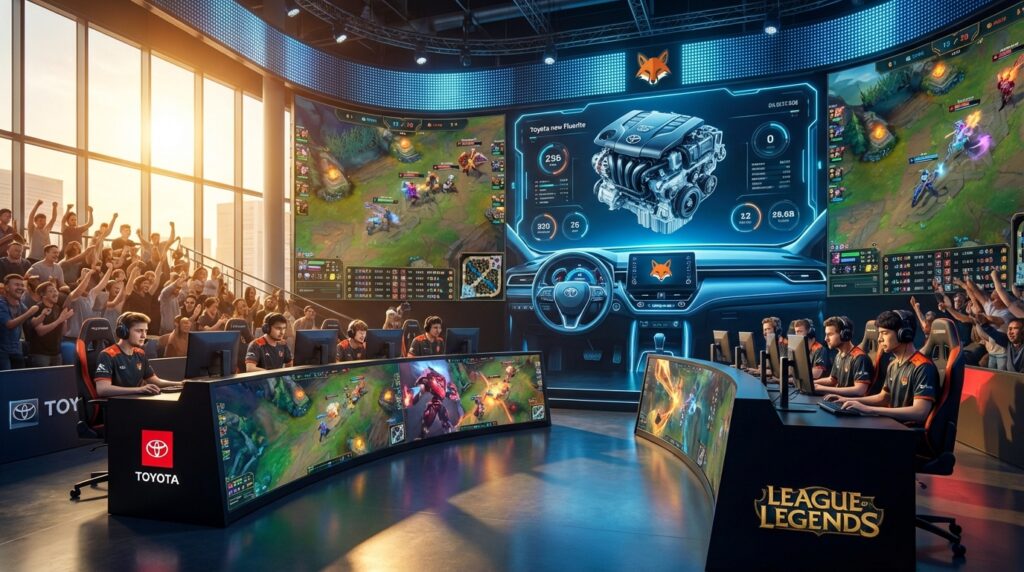
Studio changes like staff reductions at Riot Games for 2XKO signal a shift in priorities. At the same time, Toyota’s Fluorite engine shows how automotive-grade engines can deliver hardware-accelerated visuals comparable to consoles. Therefore, engineers and designers now consider social features, digital cockpit interfaces, and cross-platform play earlier in development.
This article examines those trends, the tools shaping them, and the business choices behind team reorganizations. Because readers need practical insight, we will explore game development workflows, engine performance on embedded hardware, and implications for social play and multiplayer systems. Finally, we highlight concrete actions studio leaders and automakers can take to adapt.
Riot Games and Gaming Industry and Automotive Technology Innovations: 2XKO team reshaping
Riot Games recently reduced the size of the team working on the fighting game 2XKO. The change affects roughly 80 roles globally. Riot says the move will help the project find a more sustainable path.
Key facts
- Roughly 80 roles affected across Riot Games worldwide
- 2XKO launched in early access on PC in October and released on consoles recently
- The title sits inside the League of Legends universe and targets fighting game fans
- Riot plans to continue support for the 2026 Competitive Series and community tournaments
The studio cut highlights a broader industry reality. Many live service games must reach steady momentum to justify large teams. However, 2XKO drew a passionate core audience. Riot’s leadership acknowledged that enthusiasm, but they also warned about wider traction and retention.
Tom Cannon, executive producer, said, “The game has resonated with a passionate core audience, but overall momentum hasn’t reached the level needed to support a team of this size long term.” For the full company context, see the coverage at GamesRadar and Gematsu.
Riot added, “Ultimately, this decision reflects a shift in how we operate. This isn’t a judgment on individual Rioters or a signal that the journey is over. We’re reshaping the team to give 2XKO a more sustainable path forward.” The statement explains severance and internal placement efforts. For analysis and reporting, read PC Gamer.
Why this matters
Because the market rewards consistent player engagement, studios must balance ambition with realistic live service plans. Therefore, leaders must prioritize core systems, community features, and competitive support. As a result, teams may scale differently than they once did in the era of rapid growth.

Toyota Fluorite engine and Gaming Industry and Automotive Technology Innovations
Toyota developed Fluorite to power in-vehicle experiences. The engine targets embedded hardware and runs efficiently. It integrates with the Flutter SDK and uses the Dart language for scripting. Because of this design, developers can build UI widgets and 3D scenes that share state.
Fluorite offers hardware-accelerated visuals comparable to consoles. It uses a C++ entity-component-system core and Google Filament rendering. As a result, it supports multiple real-time 3D views with low overhead. Developers benefit from hot reload and artist-friendly model-defined touch trigger zones.
Use cases include digital cockpits, step-by-step 3D tutorials, mapping environments, and more natural controls. In addition, Fluorite lowers licensing costs versus larger engines. Toyota built the engine to be lightweight, extensible, and stable for embedded systems. For details see the Fluorite project page Fluorite Project and technical coverage at Phoronix Phoronix Coverage.
Key benefits and applications
- Console-quality visuals on embedded hardware through GPU-accelerated rendering and Filament support
- In addition, full Flutter SDK integration so UI widgets and 3D state can interoperate
- Dart-first scripting and hot reload to speed iteration and prototyping
- Lightweight C++ ECS core optimized for constrained CPU and memory budgets
- Automotive applications such as digital cockpits, in-car tutorials, and augmented navigation
- Game development workflows with Blender-friendly touch zones and artist tools
- Open-source, licensing-friendly model that simplifies OEM adoption and long-term maintenance
Implications for studios and automakers are clear. Therefore, game teams can prototype cockpit experiences faster. Meanwhile, automakers can deliver richer visual experiences without excessive hardware cost. Because Fluorite bridges gaming and car tech, the industries converge.
| Feature | Fluorite (Toyota) | Unreal Engine (Epic Games) | Unity |
|---|---|---|---|
| Platform compatibility |
|
|
|
| Hardware acceleration |
|
|
|
| Integration capabilities |
|
|
|
| Typical use cases |
|
|
|
Related keywords: game engine, embedded graphics, digital cockpit, hardware-accelerated visuals, Flutter integration.
Conclusion: Why Gaming Industry and Automotive Technology Innovations Matter
Gaming and automotive technology are converging in practical ways. Riot Games reshaped the 2XKO team to prioritize sustainability and community retention. Meanwhile, Toyota’s Fluorite engine demonstrates that console quality visuals can run on embedded hardware, enabling richer in car experiences.
Together these developments highlight three takeaways:
- Prioritize players and retention early. Studios must focus on core systems, social features, and telemetry to sustain live projects.
- Choose tools that match constraints. Lightweight engines and modular systems speed iteration on constrained devices and reduce licensing friction.
- Collaborate across disciplines. Designers, engineers, and automakers benefit when they prototype on real hardware and share learnings.
Therefore, leaders should invest in efficient tooling, close playtesting, and community programs. These steps reduce risk and improve long term value.
Get involved
Visit LeisureQuest to explore curated guides and sign up for updates. Share your experiments and lessons with peers so we can build more resilient and inclusive social play together.
Frequently Asked Questions (FAQs)
What prompted Riot Games to reduce the 2XKO development team?
Riot trimmed about 80 roles from the 2XKO team. The game launched in early access on PC in October and hit consoles recently. However, Riot said overall momentum did not match the headcount. Therefore, the company reshaped the team to create a more sustainable plan.
Is 2XKO still supported after the restructure?
Yes. Riot committed to ongoing competitive support and community events. The team will focus on core systems and retention. As a result, players can expect continued updates, though development scope may narrow.
What is Toyota’s Fluorite engine and why does it matter?
Fluorite targets embedded hardware and integrates fully with the Flutter SDK. It uses Dart scripting, Filament rendering, and a lightweight C++ core. Because of this, it delivers hardware-accelerated, console-like visuals on constrained devices.
How do these changes affect social play and multiplayer design?
Studio resizing forces prioritization of social systems and retention features. Meanwhile, embedded engines like Fluorite enable new social touchpoints in cars and devices. Therefore, designers must plan features that scale with audience size.
What should studios and automakers do next?
Focus on modular tooling, efficient engines, and close playtesting on real hardware. In addition, invest in community programs and telemetry to measure retention. Finally, share learnings across teams to speed iteration and reduce risk.