Vape Synth DIY: E-waste to Art
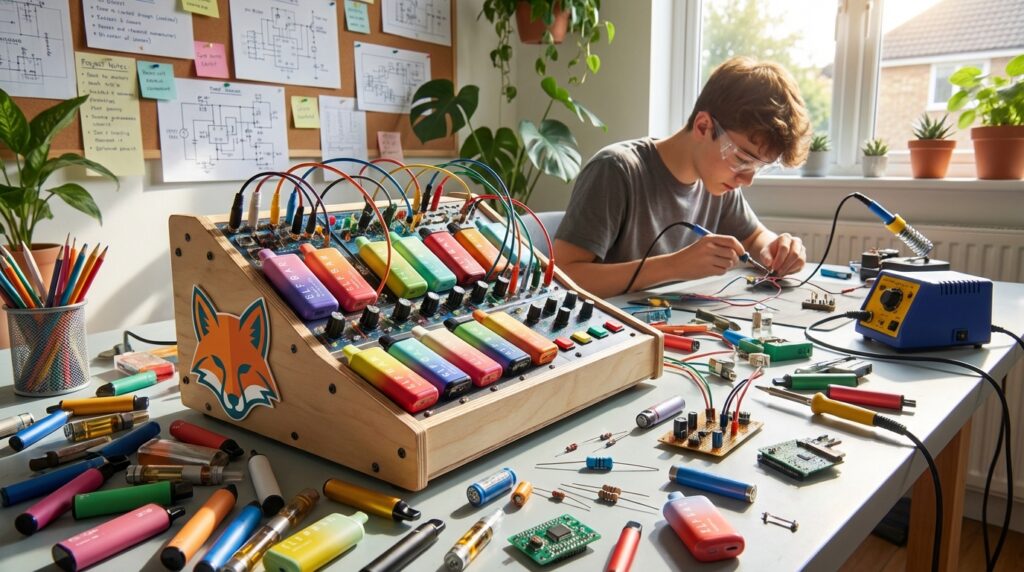
Vape Synth DIY turns spent vapes into playful musical synthesizers. This project rescues components from dead vapes and gives them new life. It uses the Elf Bar cartridge, low-pressure sensors, lights, buttons and tiny speakers to create sound. Because it reuses disposable electronics, the build reduces e-waste and sparks creative reuse.
Whether you are a maker, musician or eco-minded tinkerer, this guide shows how to transform waste into sound. You will learn basic soldering and simple circuit hacks, plus tips for safe disassembly. As a result, you create a functional instrument that still looks like a vape. In addition, the project invites creative variations from lights to MIDI outputs, and it scales for workshops and art shows.
Expect low cost and quick builds, which makes this ideal for classes. Furthermore, the project promotes electronic waste reduction and hands-on learning. Finally, it celebrates playful design and sonic exploration.
Vape Synth DIY technology
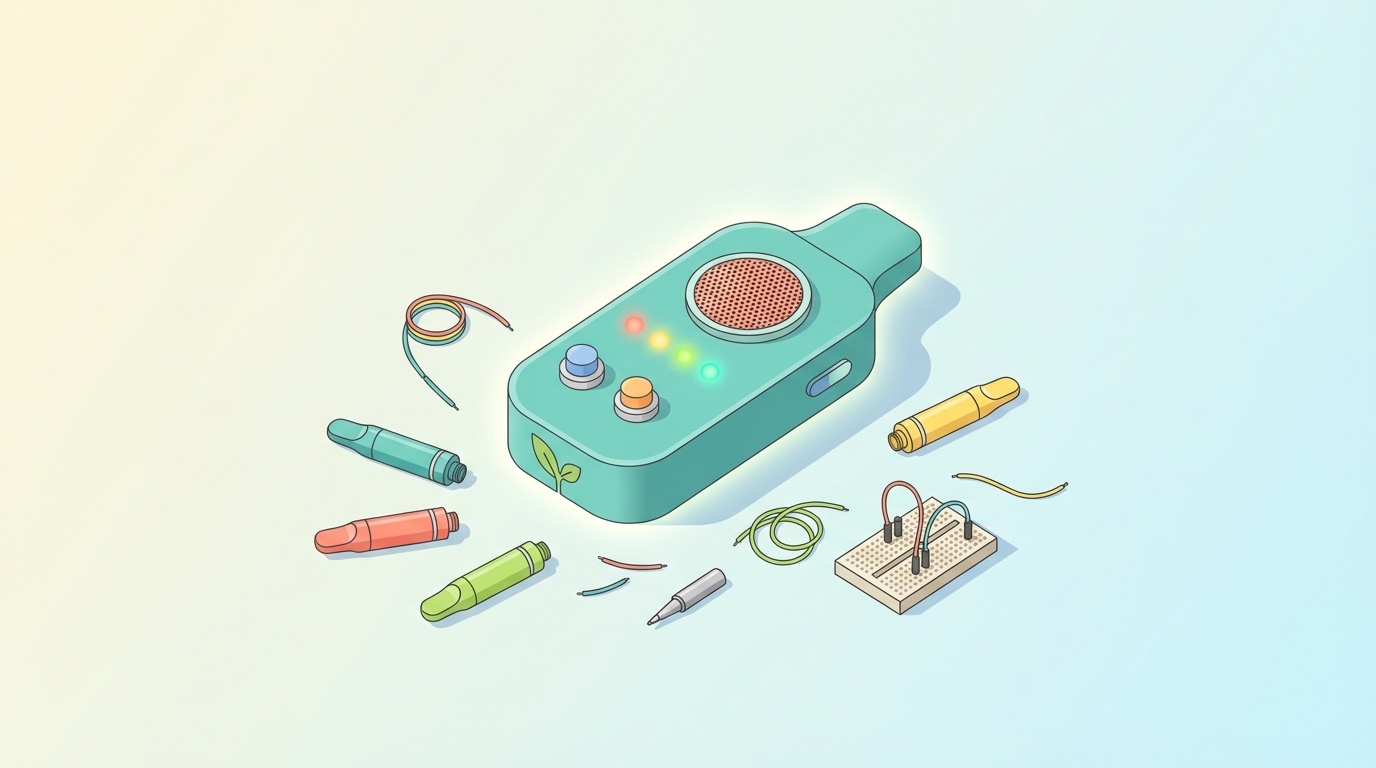
The Vape Synth DIY uses a low pressure sensor from spent Elf Bar cartridges to control sound. The sensor detects tiny pressure changes when you draw or tap. Then electronics convert that signal into a control voltage or digital trigger. Because the sensor responds quickly, it produces expressive, breath like modulation. As a result, the synth oscillates and creates tones that feel organic and playful.
Vape Synth DIY components
Key parts reclaimed from an Elf Bar EB BC5000 include:
- Low pressure sensor or switch reclaimed from the airflow assembly
- Tiny speaker or piezo element for output
- LEDs and light driver for visual feedback
- Push buttons or tactile switches for mode and gating
- Small amplifier or op amp to boost audio signal
- Microcontroller or simple oscillator circuit to generate tones
- Power source such as a coin cell or small lithium cell
The Elf Bar EB BC5000 is recommended because its pressure sensor is accessible and consistent across units. Furthermore, the model is abundant and simplifies harvesting parts. For more on how ported pressure sensors work, see Adafruit. For barometric sensor hookup examples and DIY ideas, see SparkFun.
Repurposing dead vapes reduces e waste and supports electronic waste recycling. In addition, this approach teaches DIY electronics, hacking vapes and creative sound design.
Vape Synth DIY comparison table
Below is a quick comparison of common dead vape models and their DIY potential. The table helps you pick parts for a Vape Synth DIY build. Use it to plan harvests and workshops.
| Model | Ease of hacking | Common sensor or switch | Useful parts for Vape Synth DIY | Suitability |
|---|---|---|---|---|
| Elf Bar EB BC5000 | 5 of 5 | Low pressure airflow sensor (accessible) | Pressure sensor, LEDs, tiny speaker, buttons | High |
| Elf Bar 600 series | 4 of 5 | Airflow switch or pressure pad | Sensor, LEDs, mouthpiece parts | High |
| Puff Bar (disposable) | 3 of 5 | Simple airflow contact switch | Switch, LEDs, casing for enclosure | Medium |
| SMOK Novo series | 2 of 5 | Varies; some use reed/contact switches | Pods are compact; sensors harder to access | Low to Medium |
| Generic rechargeable pods | 3 of 5 | Mixed: pressure sensors or button triggers | Batteries, switches, housings | Medium |
In short, the Elf Bar EB BC5000 rates best for Vape Synth DIY. Because its pressure sensor is consistent, it yields expressive control. However, other disposables still offer parts for creative hacks.
Environmental benefits and creative impact of Vape Synth DIY
Vape Synth DIY reduces electronic waste by giving disposable vapes a second life. Because most disposable vapes end up in landfills, repurposing parts prevents pollution. For context, the EPA recommends recycling electronics and proper disposal; see EPA Recycling Guidelines. As a result, makers lower landfill load and recover valuable materials.
Creatively, the project changes how musicians and tinkerers think. It reframes waste as raw material. Kari Love captured this spirit when she said, “We started from a very silly place.” David Rios adds urgency with “They’re this huge e-waste product.” Meanwhile Shuang Cai sums the approach: “While we’re making that much waste, let’s divert some of it. Let’s use it.”
The hands-on process builds skills and culture. It teaches soldering, circuit thinking, and sonic design. Also, it encourages playful experiments with LEDs, sensors, and MIDI interfaces. Benefits include:
- Reduced e-waste through reuse and component reclamation
- Accessible electronics education for workshops and classrooms
- New sonic textures in music technology made from recycled parts
- Community shows and collaborative art that highlight sustainability
Because the parts are low cost, the barrier to entry stays low. Therefore, artists and educators can scale projects quickly. Furthermore, the aesthetic of a working vape-synth sparks conversation. In short, Vape Synth DIY blends environmental care with creative innovation. It turns a throwaway product into an instrument and a statement.
Join local maker spaces and swap parts to amplify impact, and document builds online to inspire others. Share photos and schematics to grow a global community.
Conclusion
Vape Synth DIY captures an innovative and environmentally conscious spirit. It transforms spent vapes into playful musical instruments. Because it reuses disposable electronics, the project reduces e waste. It also sparks curiosity and hands on learning for makers.
LeisureQuest acts as a curated guide to quality leisure time. See LeisureQuest at LeisureQuest. Our mission is to inspire people to explore, play, and keep learning.
Try a simple Vape Synth DIY to turn dead vapes into sound and art. Gather parts, learn basic soldering, and share your builds with friends. In addition, join a local maker space or host a workshop to scale impact. Start small, tinker regularly, and make leisure time more creative.
Together, makers reduce e waste and expand music technology with playful hacks. Therefore, these projects change how we value objects and free time. You will build skills in electronics, creative coding, and sound design. As a result, your leisure projects become learning opportunities and community events. Start by salvaging one Elf Bar EB BC5000, or swap parts with a friend.
Frequently Asked Questions
What is Vape Synth DIY?
Vape Synth DIY reclaims parts from dead vapes to build small musical synthesizers. It turns disposable electronics into playable instruments, blending e-waste recycling and innovative music technology while promoting DIY electronic projects.
How do I start a Vape Synth DIY project?
First, gather an Elf Bar EB BC5000 or similar dead vape to repurpose. Collect basic tools such as a soldering iron, wire cutters, a tiny speaker, and a microcontroller. Follow safe disassembly and wiring instructions for your DIY electronics project.
Where can I source parts?
Salvage spent vapes from friends or organize community drives to gather components. Also, check local maker spaces and swap groups. By doing so, you contribute to reducing landfill waste and advancing eco-friendly electronics recycling.
Is this environmentally safe?
Yes, this project is environmentally safe when you properly handle batteries and liquids. Therefore, Vape Synth DIY contributes to electronic waste reduction and offers hands-on recycling education for all skill levels.
Any beginner tips?
Start with simple oscillator circuits and practice soldering on scrap boards to improve your DIY electronics skills. Furthermore, document your build and share schematics to contribute to the DIY electronics community and promote sustainable creation.