
AI-powered consumer electronics and major upcoming sales events
AI-powered consumer electronics and major upcoming sales events are reshaping how shoppers discover and adopt new gadgets. The next generation of devices blends on-device AI and cloud services. Intuitive design makes everyday tech feel anticipatory and personal.
Excitement is building around imminent launches and limited-time discounts, with Prime Day 2026 already circled on calendars by deal hunters and early adopters. Startups and established brands alike are racing to showcase generative AI features. Expect smart speakers that transcribe and summarize, and cameras that improve low-light footage automatically.
For consumers, that means smarter choices but also more complexity when hunting the best value. This guide previews the biggest product trends to watch. It highlights sales windows likely to deliver the deepest savings and outlines simple buying strategies.
Read on to learn how to time purchases and spot genuine AI benefits. Prepare for the seasonal sales surge without getting swept up in hype. By the end you’ll know what to buy and when.
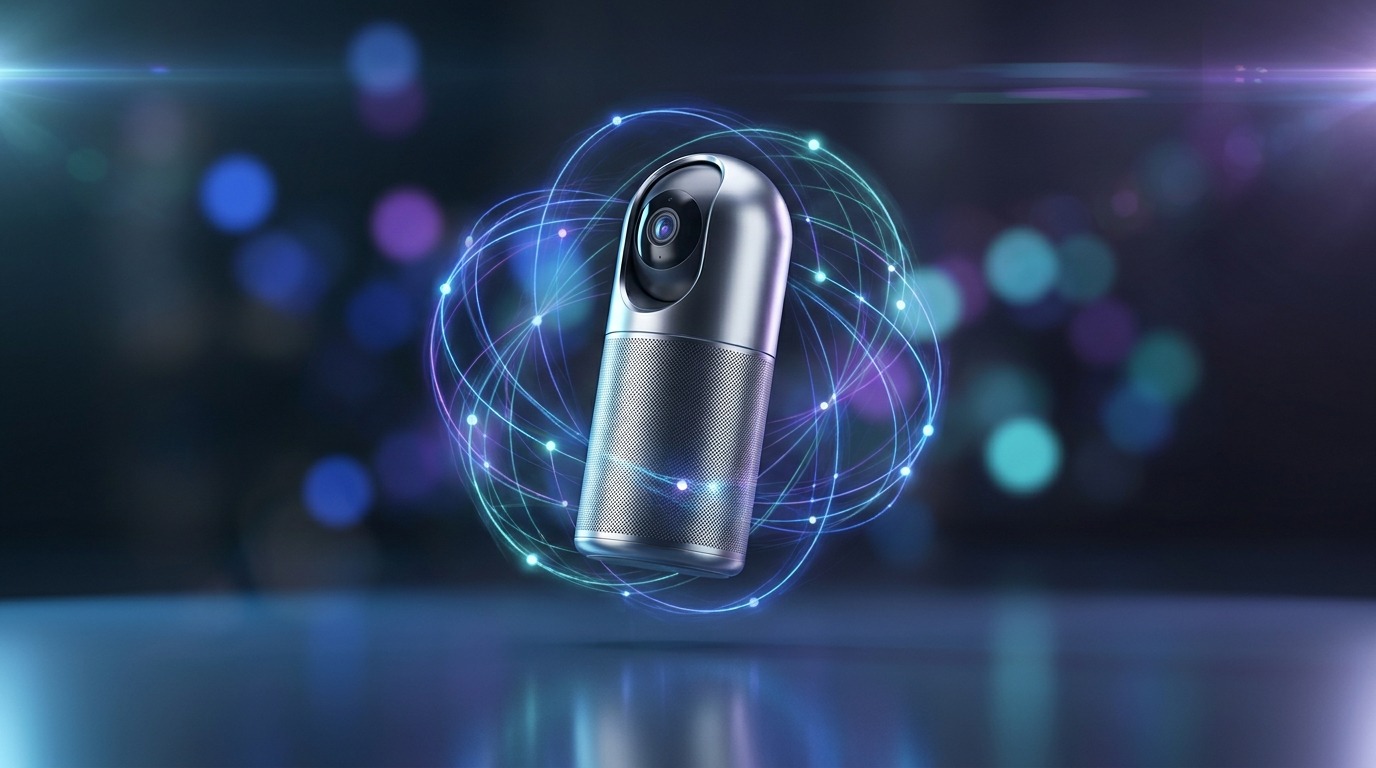
Image description: A sleek, modern gadget floating above a subtle reflective surface, combining design cues from smart speakers and compact cameras. Translucent neural network patterns of glowing nodes and fine connecting lines form a halo around the device. Cool blues, purples, and teal light accents illuminate the scene, with soft bokeh and gentle lens flares in the background. Minimal, elegant composition with ample negative space.
AI-powered consumer electronics and major upcoming sales events: key launches to watch
Opal Electronics is at the center of a new wave of AI hardware that blends local intelligence with cloud services. Backed by a reported $40 million Series B from OpenAI and Samsung and valued at roughly $275 million, Opal is preparing a consumer audio gadget slated to arrive within the next 3–4 months. Its existing Tadpole webcam remains a showcase for on-device processing and privacy-aware features.
OpenAI’s early involvement and public endorsements add credibility. OpenAI CEO Sam Altman has said he was an early customer and fan of Opal’s original webcam, underscoring the close ties between software labs and hardware startups.
What to expect from these launches
- Opal AI audio gadget: on-device speech models for low-latency responses, multi‑mic beamforming for clearer voice pickup, local transcription and summaries, and privacy-first routing that minimizes cloud dependency.
- Opal Tadpole webcam: enhanced low-light imaging, adaptive framing, real-time noise suppression, and local encryption for video streams.
- Platform integrations: native hooks for generative assistants (ChatGPT-style workflows), compatibility with home networking standards, and firmware updates that push new AI features after purchase.
- Broader industry trends: more edge TPU/NPUs in mainstream devices, better battery-optimized AI models, and smarter sensor fusion (audio + vision) for contextual features.
These launches illustrate how deep partnerships with AI labs and chipmakers accelerate capability bursts. Expect iterative firmware improvements post-launch, making early purchases more feature-rich over time.
Major upcoming sales events for AI-powered consumer electronics
Compare the main sales windows where AI gadgets typically see steep discounts.
| Event | Date range | Expected deals on AI-powered consumer electronics | Tips for maximizing savings |
|---|---|---|---|
| Prime Day 2026 (Amazon) | June 23–27, 2026 | Discounts on Echo, Fire tablets, Kindles, eero, smart speakers, webcams and third‑party AI accessories; bundles and Lightning Deals. | Make an Amazon wishlist, enable deal alerts, subscribe to Prime, monitor Lightning Deals, and compare historical prices before buying. |
| Back-to-School Sales | July–August 2026 | Student and retailer promotions on laptops, tablets, headphones, portable AI devices, and software bundles. | Use student verification, stack manufacturer coupons, buy refurbished-certified units, and look for bundle savings. |
| Black Friday / Cyber Monday 2026 | Late November 2026 | Deepest discounts across brands; doorbusters on smart home hubs, cameras, and premium AI gadgets. | Set price alerts, pre-fill carts, use credit-card promo codes, and check return policies. |
| Manufacturer launch promotions | Varies by brand | Pre-order discounts, trade-in credits, exclusive bundles for new AI hardware (e.g., smart speakers, webcams). | Wait for official launch offers, compare bundle value, and check firmware update schedules to avoid early bugs. |
Capturing your tech experiences with new AI gadgets
New AI-powered consumer electronics can do more than perform tasks. They create moments worth documenting. Use simple workflows to turn first impressions and daily routines into shareable stories.
Quick setup checklist
- Capture a 60–90 second unboxing video to note first impressions and packaging details.
- Record a short audio diary after first use to capture natural reactions and quirks.
- Take a ‘setup’ photo series: out-of-box, setup screen, final placement.
Creative formats to try
- Photo-journal entries with a daily caption about what the device changed.
- Weekly video diary highlights, trimmed to 2–3 minutes using automatic summaries.
- Before/after comparisons showing improvements from AI features (low-light photos, noise reduction).
Smart home integration storytelling
- Map a day-in-life scene where devices interoperate and record the sequence with timestamps.
- Use short clips to demonstrate routines triggered by voice or sensor events.
Sharing and archiving
- Post short reels or threads that focus on a single feature or bug.
- Back up originals to cloud storage and keep one edited copy for social sharing.
- Add concise metadata (date, device model, firmware) to help future comparisons.
These small habits turn purchases into narratives. They help you evaluate real benefits and share useful insights with others.
CONCLUSION
This blend of AI-powered consumer electronics and major upcoming sales events turns purchasing into a season of discovery. Prime Day 2026 and other sale windows offer opportunities to experiment without overspending. Whether you’re testing an Opal Tadpole webcam, trying a new AI audio speaker, or watching firmware unlock fresh capabilities, these devices can amplify play, learning, and exploration.
LeisureQuest exists to connect that curiosity with practical experiences—encouraging people to explore, play, and keep learning through hands-on tech and outdoor leisure. Buy with curiosity: test features, document what changes, and share lessons with your community.
Track deals carefully, prioritize real-world value over hype, and use gadgets to enrich adventures and daily life. For more ideas and planning resources, visit LeisureQuest.
Frequently Asked Questions (FAQs)
What are AI-powered consumer electronics?
Devices that use on-device or cloud machine learning to adapt tasks—examples include smart speakers, webcams, cameras, and edge-enabled wearables. For security and threat models see OWASP IoT.
When’s the best time to buy?
Look for Prime Day, Back-to-School, Black Friday/Cyber Monday, and manufacturer launch promos. Track historical prices and hands‑on reviews before committing.
How do I evaluate privacy claims?
Verify whether processing happens locally or in the cloud, read data‑retention and sharing policies, and confirm user controls and opt‑outs. EFF’s security/privacy resources are a good primer: EFF Security Privacy Resources.
How do I secure these devices at home?
Change default passwords, enable 2FA when available, place devices on a guest IoT network, and keep firmware updated. See NIST’s IoT cybersecurity catalog: NIST IoT Cybersecurity Catalog.
What should I check about warranties, repairs, and post‑purchase support?
Review warranty length, what it covers, turnaround times for repairs, and whether parts or service manuals are available. Use repair guides (iFixit) and right‑to‑repair advocacy for options: iFixit and Repair.org.
How important are firmware updates and how do they work?
Critical—updates patch vulnerabilities and can add features. Confirm a vendor’s update cadence, secure update delivery, and rollback policy; see firmware update research: Firmware Update Research.
How can I judge whether an AI feature is genuinely useful?
Test features in your real routines (low‑light shots, transcription accuracy, automation reliability), document results, and compare local performance vs cloud dependence.