DIY E-waste Recycling as Musical Synthesizers
DIY E-waste Recycling as Musical Synthesizers turns discarded electronics into playable, expressive instruments. This concept blends creative making with waste reduction, and it hooks makers who care about sound and the planet. As a result, readers find a fresh way to combine music, electronics, and upcycling.
Repurposing vapes, old radios, and broken toys keeps hazardous materials out of landfills while giving devices a second life. For example, the Vape Synth project uses spent Elf Bar vapes to make tones. It reuses batteries and pressure sensors, and therefore reduces electronic waste. Moreover, these DIY projects use skills from 3D printing, soldering, and circuit hacking.
Learning happens fast because projects stay small and hands-on. Beginners can follow simple steps, and experienced builders can experiment with synthesis techniques. The tone stays practical and inspiring so readers feel confident to start.
Read on to find step-by-step guidance, safety tips, and creative ideas for turning discarded electronics into synthesizers. However, this introduction only scratches the surface. Join a growing maker movement that transforms e-waste into music and meaningful reuse.
Vape Synth: DIY E-waste Recycling as Musical Synthesizers in practice
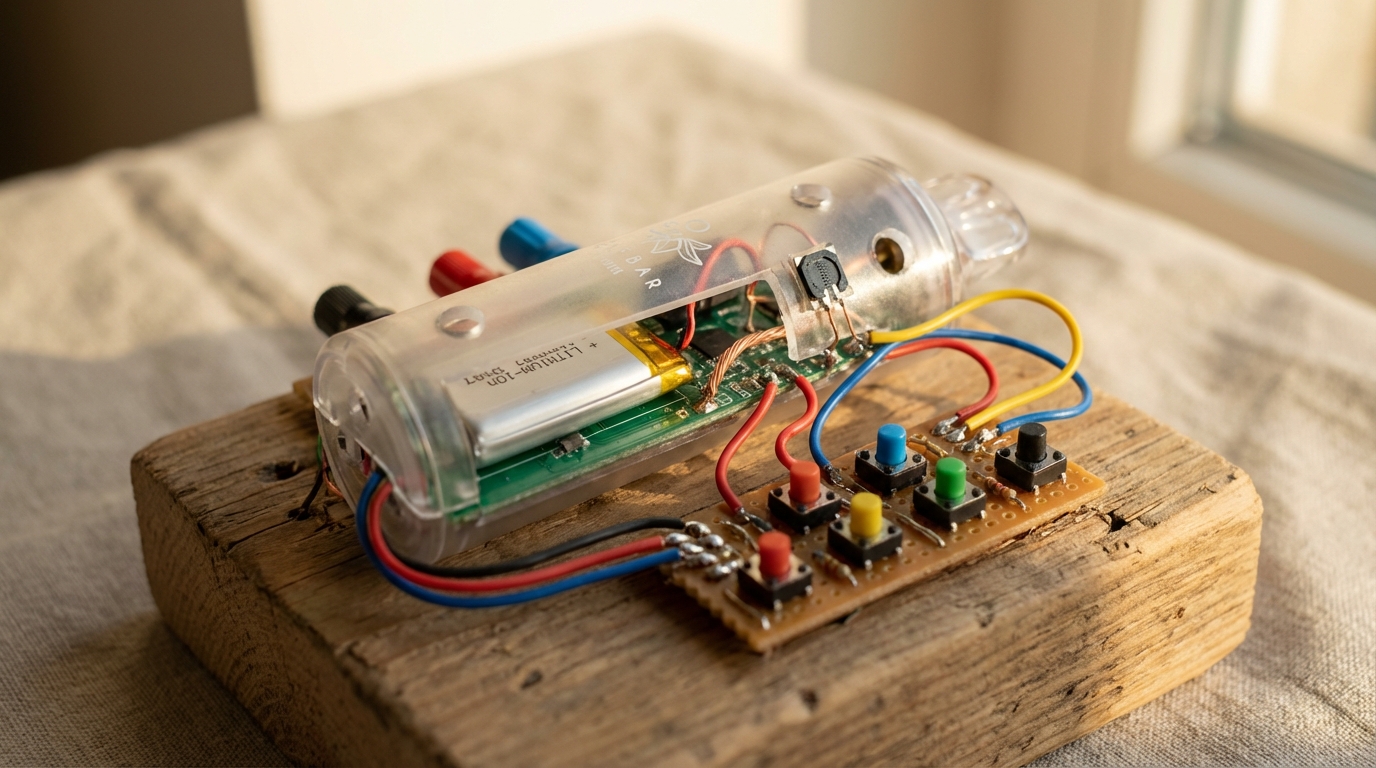
The Vape Synth repurposes spent Elf Bar vaping devices into playable synths. Because disposable vapes contain lithium-ion batteries and sensors, builders reuse those parts to drive sound. Moreover, the project turns waste into a creative tool that reduces e-waste and sparks maker curiosity.
Environmental context matters. Disposable vapes add to electronic waste and fire risk when crushed in trash, and nicotine is toxic to workers and wildlife. For more details see the US EPA guidance at this official website and a reporting on waste plant fires at this news article.
How the Vape Synth works
- The project harvests the Elf Bar battery and low-pressure sensor. These parts provide power and an input that senses puff pressure. Therefore the sensor becomes a trigger or modulation source for sound.
- Makers wire the battery to a regulated power circuit to protect cells. Then they feed sensor signals into either a microcontroller or an analog synth circuit. As a result, the sensor controls pitch, filter cutoff, or envelope.
Safety and technique
Handle lithium cells carefully because they can short and catch fire. Also avoid ingesting nicotine residue and dispose of leftover liquids safely. For a step-by-step guide, consult the DIY write-up at this guide.
Voices from the project
“We started from a very silly place,” says Kari Love, reflecting on playful prototyping. However, David Rios adds, “People feel just completely unempowered to do anything,” and this project gives them creative agency. Ultimately, vape hacking and synth building merge to teach electronics, sustainability, and sound design.
How DIY E-waste Recycling as Musical Synthesizers fits the maker movement
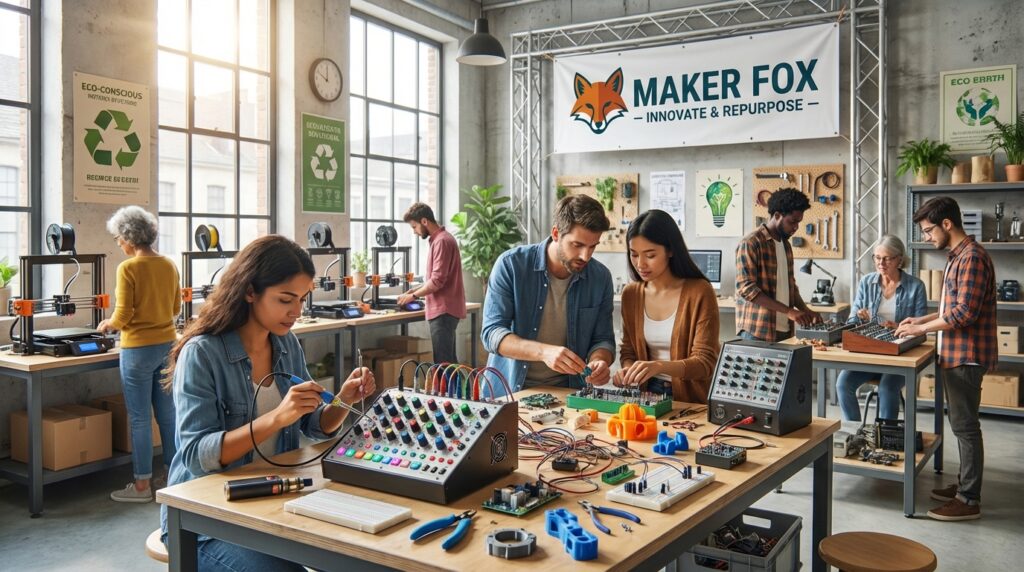
DIY E-waste Recycling as Musical Synthesizers sits at the crossroads of creativity and sustainability. Makers repurpose old electronics and learn electronics, soldering, and sound design. Moreover, these projects turn single-use waste into expressive instruments. Therefore they reduce landfill burden and teach practical skills.
Successful similar maker projects include circuit-bent toys, pedalboard builds, and converted radios. For example, community workshops often teach 3D printing for custom enclosures. As a result, participants gain design skills and experiment with new forms. Also, projects such as the Vape Synth link hardware hacking to artistic output. Learn more at Vape Synth DIY Guide.
Community events matter because they scale impact. The School City of Hammond launched its first Maker-Faire to showcase student projects. See coverage at Celebrating Innovation and local reporting at Makerspaces Coming to Hammond. These gatherings spread confidence, inspire collaborations, and seed new maker projects.
Challenges remain. 3D printing faces material waste and failed prints. Electronics reuse demands safety because lithium batteries and toxic residues pose risks. However, organizers mitigate these issues with safety briefings, recycling stations, and supervised soldering sessions. In short, maker projects that blend recycling, electronics, and music promote innovation and environmental care.
Quick comparison of DIY e-waste instruments
| Project Name | E-waste Source | Key Components Reused | Environmental Impact | Difficulty Level |
|---|---|---|---|---|
| Vape Synth | Spent Elf Bar disposable vapes; lithium-ion cell and circuitry | Lithium-ion battery, low-pressure sensor, PCB, housing | High: diverts hazardous batteries and electronics from landfill | Medium |
| 3D printed instrument using salvaged speakers | Broken portable speakers, headphones, and old phones | Speaker drivers, headphone jacks, small motors, 3D-printed enclosure | Moderate: reuses drivers but adds printing material waste | Medium |
| Circuit-bent toy synth | Defunct electronic toys and cheap keyboards | IC chips, speakers, switches, capacitors | Low to moderate: extends device life and reduces new purchases | Beginner to intermediate |
Conclusion
DIY E-waste Recycling as Musical Synthesizers reshapes how makers approach waste and sound. As a result, it turns discarded electronics into tools for creative play. Moreover, the work sparks new skills in soldering, 3D printing, and circuit design. Therefore participants gain confidence and practical know-how.
These projects inspire innovation while they cut landfill waste. For example, repurposing batteries, sensors, and speakers gives devices a second life. In addition, community events bring ideas to life and spread best practices. The School City of Hammond Maker-Faire shows how schools can scale maker culture and environmental learning.
Community matters because collaboration speeds learning and safety. Consequently, workshops teach safe battery handling and responsible recycling. Also, makers share designs and iterate faster when they meet. Overall, DIY e-waste synths promote creativity, stewardship, and inclusive tech education.
LeisureQuest supports this spirit by turning free time into an engaging quest to explore, play, and keep learning. Visit LeisureQuest to find guides and projects at LeisureQuest. Start small, experiment safely, and join a community that makes music from what others discard.
Frequently Asked Questions (FAQs)
What is DIY E-waste Recycling as Musical Synthesizers?
DIY E-waste Recycling as Musical Synthesizers means turning discarded electronics into playable synths. Makers salvage parts from devices such as disposable vapes, toy keyboards, and old speakers. They combine those parts with simple circuits and 3D-printed enclosures to create instruments. This process involves DIY electronics, e-waste recycling, and sound design, blending all these into one creative and educational pursuit.
Are these projects safe to build at home?
Safety is crucial in DIY electronics projects, particularly when dealing with e-waste recycling. Lithium-ion cells and nicotine residue can be hazardous. Therefore, always:
- Wear gloves and eye protection.
- Work in a well-ventilated area.
- Use a voltage regulator when reusing batteries.
- Dispose of fluids and damaged cells following local hazardous waste rules.
What are the environmental benefits?
These projects reduce landfill waste and prevent hazardous batteries from causing fires. For instance, reusing speakers and sensors keeps valuable components out of dumps. They also teach repair and reuse, lowering demand for new electronics and promoting sustainable maker culture.
How do I get started with vape hacking or synth building?
To begin with DIY e-waste recycling and sound design projects:
- Start small with a single salvaged device and a basic synth kit or microcontroller.
- Learn soldering basics and safe battery handling.
- Join local maker workshops or online communities for step-by-step guides and troubleshooting.
What skills and community opportunities will I gain?
Engaging in these projects cultivates skills in soldering, circuit design, and 3D printing for custom enclosures. Additionally, you’ll meet other makers at events such as the School City of Hammond Maker Faire, which will build confidence and foster collaboration across recycling and electronics projects.