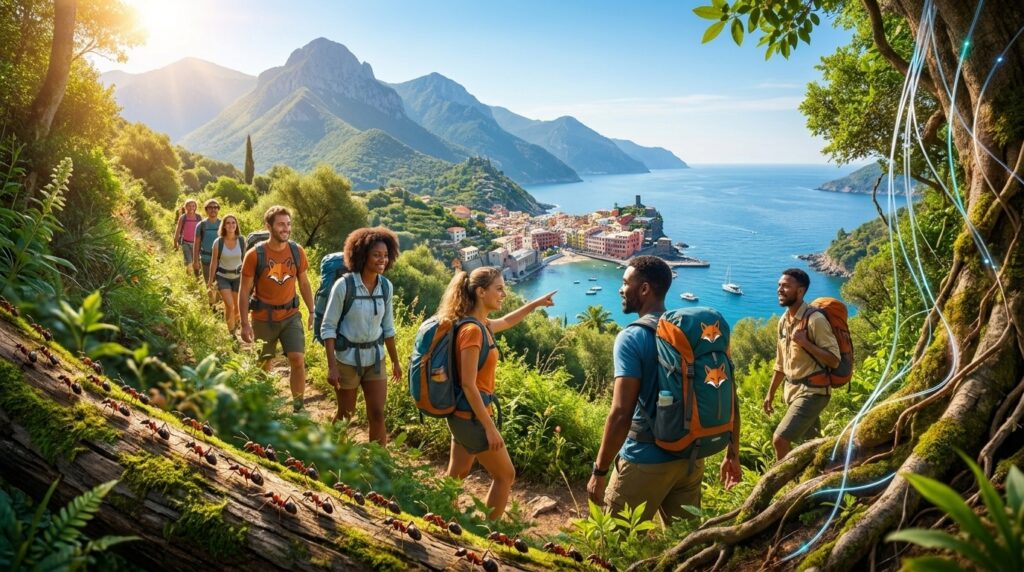
Trail exploration and travel tips open the door to a different kind of journey: one measured in footsteps, weathered maps, and sudden clearings. If you crave hiking away from crowded viewpoints, this guide celebrates off-the-beaten-path trails that reward curiosity. Imagine misty ridgelines, quiet forest floors, and the hush of true wilderness underfoot. Each path becomes a story, from hidden seaside villages to narrow mountain routes.
Practical travel tips are woven with sense and wonder to help you move safer and lighter. Expect short, usable advice on packing, route-finding, and respecting fragile ecosystems. We also share small inspirations for nature-based exploration—how to read animal signs, follow contour lines, and tune your pace to the land. Whether you dream of long-distance routes like the Appalachian Trail and PCT, or a solitary day hike nearby, this introduction invites you to step off the map. Read on to find the joy that hiking brings, and the gentle confidence to seek trails less traveled.
Insights from ‘On Trails: An Exploration’ by Robert Moor
Robert Moor’s On Trails reframes paths as living infrastructures that record choices over time. Moor moves from ant colonies to ancient footpaths, from colonial roads to fiber optic cables. These examples show how repetition carves routes through landscape and society.
Ant trails demonstrate self‑organizing movement: simple rules generate durable highways of scent. Moor uses this to compare animal navigation with human systems shaped by empire, trade and migration. The book then shifts to modern networks, where fiber optic wires become invisible trails carrying information. That metaphor links wilderness, history and technology.
For hikers and travellers the book is practical as well as philosophical. Understanding how trails form sharpens navigation and decision making. It encourages reading subtle signs: worn rivets, game tracks, or directional vegetation. It also deepens ethical travel — choosing routes that minimise harm and respect local histories.
“Hiking is one of life’s great joys. Turning off the screens and stepping out into nature for an extended period of time, perhaps even several days, is rejuvenating.”
By tracing small patterns to big histories, Robert Moor gives trail exploration and travel tips a richer context. His narrative helps hikers appreciate why paths exist and how to travel them thoughtfully.

A quiet, off-the-beaten-path trail leads through ferns and wildflowers toward soft-blue mountain peaks, bathed in warm late-afternoon light.
Trail exploration and travel tips
Prepare by trail type
Choose gear and plans to match terrain and remoteness. For rocky mountain routes and alpine ridgelines with expansive mountain views, carry a sturdy pair of boots, layered clothing, a map, and a reliable GPS or compass. For coastal footpaths that pass seaside villages, add waterproofs, sun protection, and a light pack for quick detours.
Safety essentials
Tell someone your route and expected return. Check weather and daylight hours. Pack a basic first-aid kit, headlamp, emergency shelter, and extra food and water. Learn simple navigation skills rather than relying only on phones. On long-distance routes like the Appalachian Trail or PCT, plan resupply points and rest days.
Enjoying long and short hikes
Set realistic distances. Short hikes reward slow observation and photography. Long hikes favor pacing, calorie management, and consistent sleep patterns. Use scenic routes deliberately: pause for views, note safe vantage points, and avoid trampling fragile plants. Respect private land and local guides when passing through villages.
Quick checklist
- Boots, layers, rain shell
- Map, compass/GPS, headlamp
- Water, snacks, first-aid
- Communication plan and permits
These practical steps make exploration safer and more enjoyable, whether you are chasing mountain vistas or coastal paths.
| Destination Name | Trail Highlights | Difficulty Level | Best Time to Visit |
|---|---|---|---|
| Vikos Gorge, Greece (Zagori) | Dramatic limestone gorge, stone bridges, shady river canyons and remote mountain hamlets | Moderate | May–June, Sep–Oct |
| The Burren Way, Ireland | Moonlike limestone pavements, coastal viewpoints, wildflowers and nearby seaside villages | Easy–Moderate | Apr–Jun, Sep |
| Rota Vicentina — Fishermen’s Trail, Portugal | Cliff-top coastal paths, secluded beaches, traditional fishing villages and ocean views | Moderate | Mar–May, Sep–Oct |
| Accursed Mountains (Theth–Valbona), Albania/Montenegro | Raw alpine ridges, high mountain views, pastoral valleys and isolated mountain villages | Hard | Jun–Sep |
| Lofoten lesser trails, Norway | Rugged peaks rising from the sea, fjord scenery, northern light in shoulder seasons | Moderate–Hard | Jun–Aug, Sep (for northern lights) |
Conclusion
Trail exploration and travel tips unlock more than routes; they open chances to reconnect with nature, test personal limits, and discover quiet corners of the world. The best hikes combine practical planning with curiosity—whether chasing mountain views, coastal paths past seaside villages, or remote ridgelines. Travel thoughtfully: pack light, respect local cultures, and leave no trace.
LeisureQuest acts as a curated guide to quality leisure time. We inspire people to explore, play, and keep learning with approachable advice and handpicked ideas. Use this guide as a starting point, then plan a route that matches your skills and appetite for adventure. For more trip ideas, scenic routes, and practical gear and safety tips, visit LeisureQuest at LeisureQuest and start planning your next trail adventure.
Frequently Asked Questions (FAQs)
How do I choose the right trail for my skill level?
Match trail difficulty to fitness, experience, and available daylight. Check distance, elevation gain, terrain type, and remoteness. Read recent trail reports and local guides. For your first outings pick well-marked scenic routes; step up to ridge or alpine routes only after training and practice.
What essential equipment should I carry on day hikes?
Pack lightweight but reliable items: sturdy boots, layered clothing, rain shell, map and compass or GPS, headlamp, water (or filter), high-energy snacks, basic first-aid, and a communication plan. Add sun protection for coastal paths and crampons for icy ridgelines.
How can I stay safe on remote or off-the-beaten-path trails?
Share your route and ETA with someone. Check weather forecasts and daylight. Learn basic navigation and carry an emergency shelter and signalling device. Conserve water, avoid risky shortcuts, and know local hazards such as loose scree or tides on coastal trails.
What should I consider when planning a multi-day hike?
Plan resupply points, realistic daily distances, and contingency days. Reserve campsites or huts and carry a lightweight shelter. Balance calories and water needs. Factor in permits, exit points, and gear for changing weather.
What are the main benefits of nature-based exploration?
Regular trail time improves cardiovascular fitness, reduces stress, and sharpens attention. It builds navigation skills and a deeper awareness of landscapes and local cultures. Small, repeated outings also foster curiosity and sustainable travel habits.