Evolution of Hidden Object Games
Hidden object games genre evolution has quietly reshaped how we explore small, secret worlds inside games. Once a niche pastime of printed pictures and late-night searches, the modern hidden‑object scene now blends handcrafted art, playable dioramas, and slow-burning narratives.
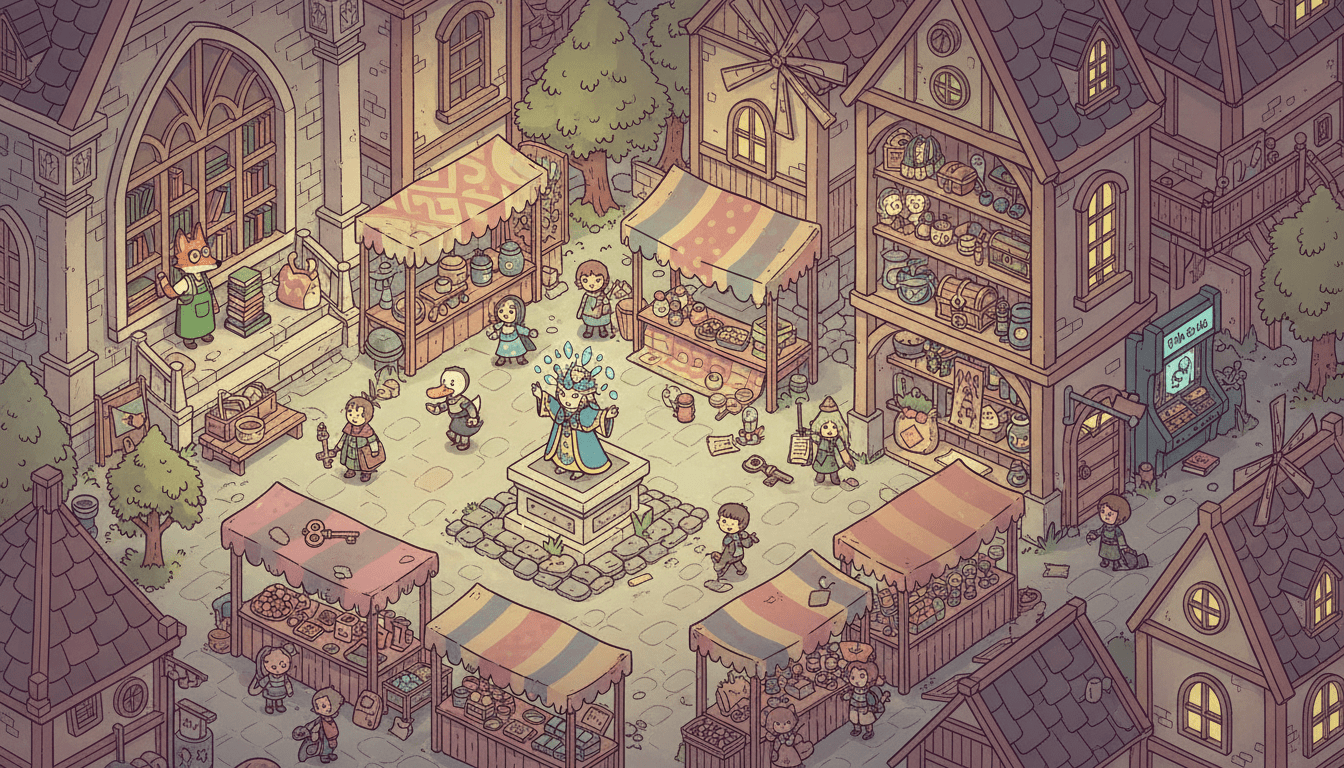
Walk through a fog-tinged arcade alley, and you might peer into miniature room windows where a fox librarian arranges dusty tomes. Or float above a hand-drawn city, the rooftops crowded with tiny characters arguing, laughing, and hiding clues. These environments reward patience and curiosity. Characters are not just tokens to find. They are gateways to micro-stories and emotional beats.
This article traces that artistic turn. We will look at how designers turn search into storytelling. Expect close reads of visual design, interface choices that foster discovery, and examples of games that turn a single found object into a meaningful reveal. Read on to see why searching games feel less like puzzles and more like guided explorations of secret lives.
The Origins of Hidden Object Genre
The journey of the hidden object games genre begins long before the digital age, rooted deeply in static images. Originally, these puzzles were found in paintings and printed drawings, challenging viewers to find objects intricately camouflaged within the scene. These early renditions laid the groundwork for a genre rooted in curiosity and visual engagement.
Rise of Digital and Indie Titles
The transition to digital formats revolutionized the hidden object genre, enabling more dynamic and interactive experiences. Pioneering this digital transformation, games like ‘Hidden Folks’, released in 2017, redefined what searching games could achieve. Adriaan de Jongh and Sylvain Tegroeg’s creation introduced players to a monochrome world bustling with life and stories, emphasizing exploration and engagement over mere object-finding.
With ‘Hidden Folks,’ and other indie titles, the genre began to focus not only on the challenge of discovery but also on narrative depth. Each found object tells part of a wider story, enriching the player’s journey through meticulously crafted worlds.
Innovations in Game Environment Design
The evolution of hidden object games also owes much to innovations in interactive worlds and game environment design. Games like ‘Lost and Found Co.’ continue this trend, illustrating how complex environments can be transformed into living, story-rich hidden object dioramas. These games emphasize exploratory play, requiring players to immerse themselves in interactive cityscapes and whimsical arenas.
By integrating storytelling with explorative gameplay, these modern titles turn the genre into more than a simple search task; they offer a complete sensory experience, appealing to both the seeker and the story-lover within each player.
| Game | Release Year | Developer / Studio | Gameplay Focus | Art Style | Unique Features |
|---|---|---|---|---|---|
| Hidden Folks | 2017 | Adriaan de Jongh & Sylvain Tegroeg | Exploration; curiosity-driven searching | Hand-drawn monochrome sketches with lively micro-animations | Emphasis on discovery over challenge; playful sound interactions; dense animated scenes |
| Lost and Found Co. | 2026 | Bit Egg | Story-rich exploration; character-driven quests | Colorful, hand-painted, whimsical character designs | Narrative missions; characters like Mei and Ducky; living city dioramas |
| Wind Peaks | 2020 | Actoon Studio | Mystery-driven searching; narrative investigation | Atmospheric pixel art with moody lighting | Episodic town mysteries; environmental storytelling |
| Hidden Through Time | 2020 | Rogueside | Historical discovery; educational searching | Clean 2D illustrations spanning historical settings | Time-travel scenes; history-focused puzzles |
Storytelling and Playtesting in Modern Hidden Object Games
Storytelling has moved from incidental background to the structural spine of many searching games. Designers use found objects, NPC reactions, and environmental details as narrative beats. Instead of isolated puzzles, players unwind micro-stories by exploring a scene and nudging characters into motion.
Extensive playtesting makes that shift possible. Test sessions reveal how players read visual hierarchies, which objects attract attention, and where frustration or boredom sets in. Iteration refines object placement, hint systems, and pacing so discoveries feel earned rather than accidental.
Adriaan de Jongh captured this intent: “We wanted to make a very playful, interactive game where our focus was invoking this curiosity for these little worlds and the little stories that unfolded,” he said. His co-creator Sylvain Tegroeg helped shape that collaborative approach. Developers building titles like Lost and Found Co. echo the same grind: “It took us years, and it was just trial and error,” said Lee, highlighting playtesting’s central role.
Practical outcomes include tighter onboarding, better visual signposting, and interactive affordances that encourage experimentation. Playtesting also surfaces emergent narratives—small player-driven moments that designers can amplify. The result is a genre where searching becomes discovery-rich storytelling, crafted through patience, feedback, and careful tuning.
CONCLUSION
The hidden object games genre evolution shows how a simple act of searching became a vehicle for art and story. What began as static puzzles has transformed into living dioramas where curiosity drives discovery. Designers blend handcrafted visuals, layered environments, and subtle narrative cues to make each find feel meaningful.
This evolution values craft and patience. Playtesting and iteration tune pacing, reveal patterns, and preserve wonder. Small design choices — a well-placed shadow, an animated reaction, or a gentle hint — turn a search into an emotional beat. The result is a genre that rewards slow looking and playful exploration.
Looking forward, indie teams will continue to push boundaries, merging genres and widening accessibility. As players, we gain richer worlds and quieter pleasures. As makers, we learn how restraint and detail amplify meaning.
LeisureQuest celebrates that spirit. As a curated guide to quality leisure time, LeisureQuest encourages readers to explore, play, and keep learning. Hidden-object and searching games remind us why thoughtful play still matters: they invite curiosity, reward attention, and open small doors into larger stories.
Frequently Asked Questions (FAQs)
What is the origin of hidden object games?
Hidden-object puzzles began as printed images and paintings that asked viewers to find concealed items. For a quick roundup of historical context and examples we’ve covered, see our site search for hidden-object coverage: hidden-object coverage or browse related features on LeisureQuest LeisureQuest.
How did indie titles like Hidden Folks change the hidden object genre?
Indie games emphasized handcrafted art, playful interactions, and exploration-led design. Read our collected notes and reviews on Hidden Folks here.
What makes a “searching game” different from traditional hidden-object puzzles?
Searching games prioritize environmental storytelling, emergent moments, and player-driven discovery. See examples and design write-ups in our searching-games index: searching-games index.
Which games are good entry points?
Try titles across styles — Hidden Folks, Lost and Found Co., Wind Peaks, and Hidden Through Time — and explore curated coverage and lists on LeisureQuest: hidden object coverage or specific write-ups such as Lost and Found Co.: Lost and Found Co..
How do developers keep these games engaging?
Through iterative playtesting, tuned pacing, hint systems, and layered visual storytelling. For developer interviews, design breakdowns, and playtest insights, check our searching-games resources: searching-games resources.