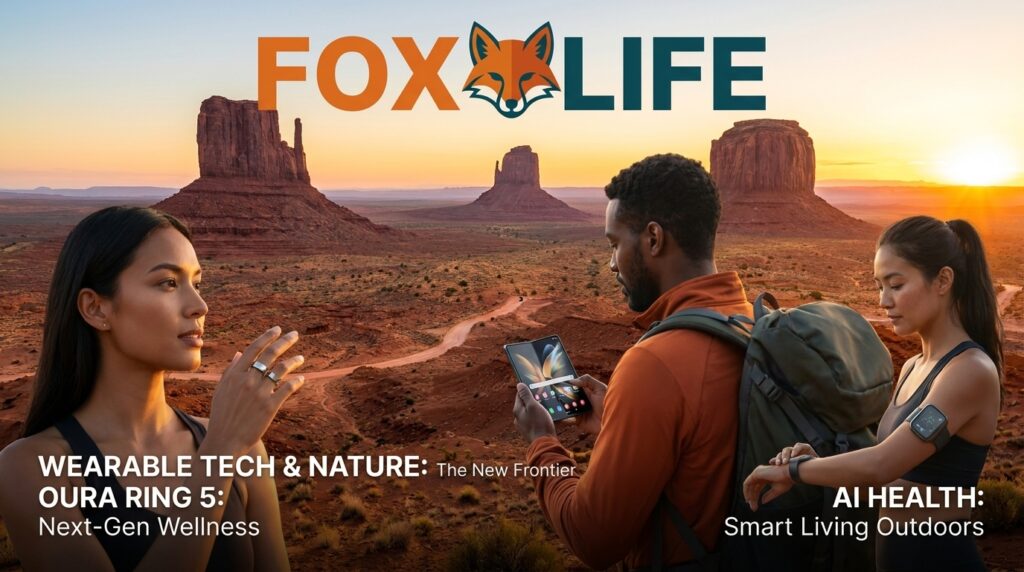
Smart Wearables and AI-Enhanced Devices: Wearables & Next-Gen Gadgets Roundup
Smart Wearables and AI-Enhanced Devices are rewriting how we track health and interact with tech. From subtle smart rings to foldable flagship marvels, the pace of innovation is thrilling.
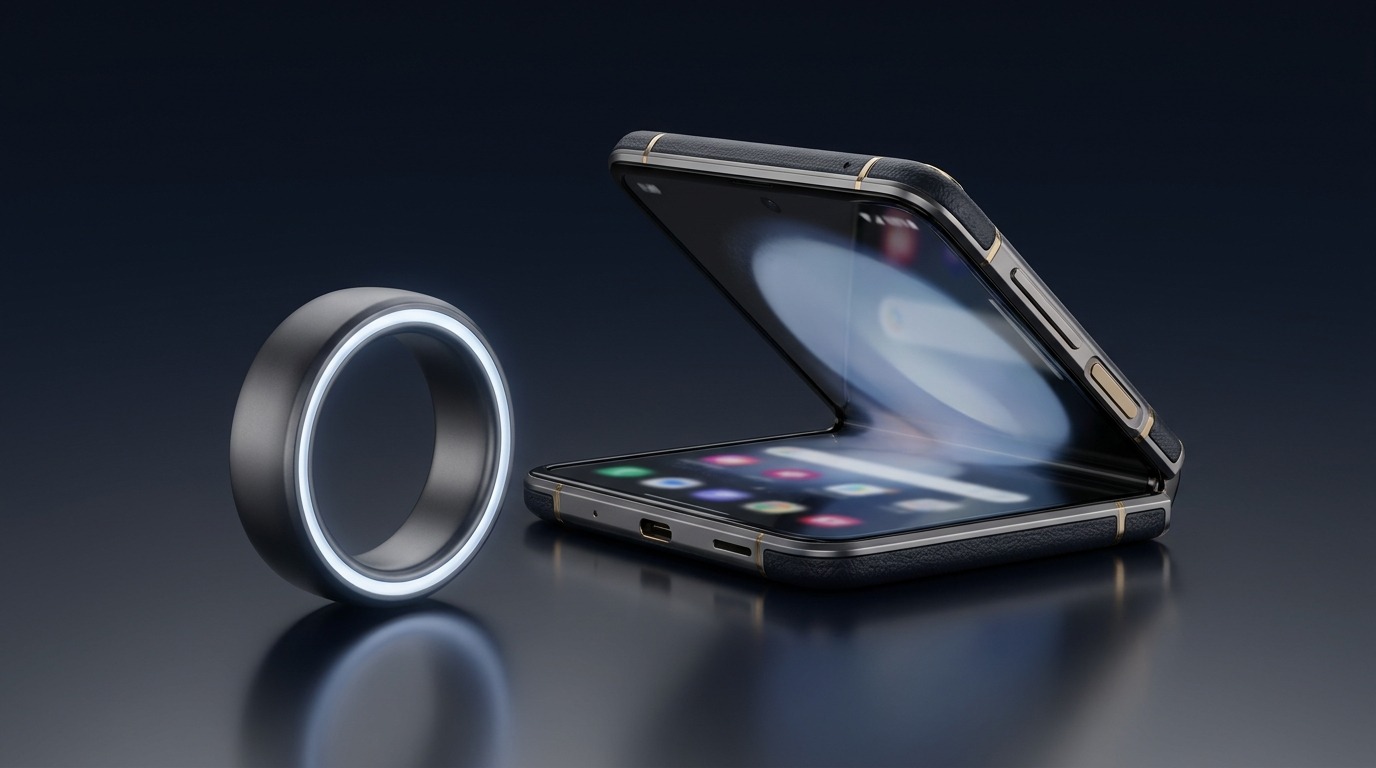
This roundup puts the spotlight on the most exciting launches and preorders. You’ll meet the Oura Ring 5 — a sleeker, more capable health ring — and the Vertu AlphaFold, a next-gen folding powerhouse that pushes design and battery endurance boundaries.
Why follow this wave now?
- Real-time health insights that change daily routines.
- Devices blending premium craftsmanship with advanced sensors.
- AI features that turn raw data into usable guidance.
What to expect in this article
- Hands-on impressions and preorder details.
- Clear breakdowns of health and lifestyle benefits.
- A look at how AI is improving sleep, recovery, and chronic monitoring.
The tone is informative and promotional. Expect crisp explanations, practical buying signals, and quick comparisons to help you decide.
If you care about better sleep, smarter activity tracking, or a folding phone that feels like a luxury object, this guide will help you separate hype from real progress. Read on for the best models, specs, and buy-now considerations.
Smart Wearables and AI-Enhanced Devices: Oura Ring 5 and Vertu AlphaFold — Features & Pricing
This section breaks down the headline specs and pricing for two standout entries in the Smart Wearables and AI-Enhanced Devices category: the Oura Ring 5 and Vertu’s AlphaFold. Read the quick facts, then use the comparison table to spot the differences that matter.
Oura Ring 5 — key features and preorder details
- Physical design: 40% smaller footprint than Ring 4 for a lower-profile fit.
- Materials and finish: Standard and premium finish options (ceramic-like and metallic finishes available in higher tiers).
- Health and sensors: Advanced sleep and recovery sensing with expanded AI-backed health insights.
- Water and dust resistance: IP68 rating — dustproof and water-resistant up to 100 meters.
- Battery and charging: 6–9 days of typical battery life (up from 5–8). New charging case extends usable time to roughly a month between full charges.
- Pricing and preorder: Available for preorder at $399 with shipping starting June 4; premium finishes push selected SKUs toward $499.
Vertu AlphaFold — key features and price tiers
- Design: Luxury foldable form factor combining a large internal display with premium exterior materials and leather or metal accents depending on configuration.
- Battery: Large 6,500-mAh battery built for extended screen-on time and multitasking across folded and unfolded modes.
- Cameras: Triple-camera system tuned for high-end imaging and low-light performance.
- Pricing: Ultra-premium positioning — price ranges from about $6,880 up to $46,800 depending on trim, materials, and bespoke options.
- Notes: Aimed at buyers seeking a luxury object with flagship hardware rather than budget-first specifications.
Quick comparison table
| Feature | Oura Ring 5 | Vertu AlphaFold |
|---|---|---|
| Category | Smart ring (wearable) | Luxury foldable smartphone |
| Typical battery | 6–9 days (ring); month with charging case | 6,500 mAh |
| Water resistance | IP68 (up to 100 m) | Not specified (premium build) |
| Main sensors/features | Sleep, recovery, AI health insights | Triple-camera system, large foldable display |
| Price range | $399–$499 | $6,880–$46,800 |
Both devices illustrate how Smart Wearables and AI-Enhanced Devices are scaling from discreet health tools to lavish, full-featured hardware. Choose the ring for daily, continuous health tracking; choose the AlphaFold for premium mobile computing and status-driven aesthetics.
Oura Ring 4 vs Oura Ring 5 — feature comparison
The table below highlights the most important practical differences between Oura Ring 4 and Oura Ring 5 so readers can quickly spot improvements in form factor, battery, durability, sensors, and AI features.
| Feature | Oura Ring 4 | Oura Ring 5 |
|---|---|---|
| Size (profile) | Original Ring 4 footprint and profile for previous generation | 40% smaller footprint than Ring 4 for a lower-profile, more discreet fit |
| Battery life | Typical reported life ~5–8 days (previous generation norms) | 6–9 days typical; optional charging case extends usable time up to ~a month between full charges |
| Charging options | Standard on-device charging (no extended charging case widely marketed) | New charging case support for extended multi-week use |
| Water & dust resistance | Water-resistant in daily use (previous generation ratings varied) | IP68-rated: dustproof and water-resistant up to 100 meters |
| Health monitoring & sensors | Core sleep, activity, HR and basic recovery metrics from optical sensors and accelerometer | Expanded sleep and recovery sensing plus updated sensors tuned for more granular physiological signals |
| AI-powered software capabilities | Basic analytics and historical trends; limited on-device AI features | Enhanced AI-backed health insights and proactive monitoring, improved personalization and guidance |
| Pricing (typical at launch / current) | Pricing varied by generation and finish; generally positioned below newest premium models | Preorder starts at $399; premium finishes and materials push select SKUs toward $499 |
Use this table to compare practical upgrades. Ring 5 emphasizes a smaller size, stronger water resistance, modest battery gains, and a clearer push into AI-driven health guidance compared with the Ring 4 generation.
AI health insights and software advantages in Smart Wearables and AI-Enhanced Devices
Software is the differentiator pushing smart wearables beyond step counters. Modern devices combine continuous sensing with machine learning to deliver actionable, personalized guidance.
Key software-driven innovations
- Proactive monitoring: Devices flag patterns before they become problems. This shifts wearables from passive trackers to active health partners.
- AI health coach: Personalized coaching adapts to your habits and goals, offering exercise prompts, sleep recommendations, and recovery tips.
- Health Radar and contextual alerts: Aggregated signals—sleep quality, heart-rate variability, nighttime breathing—are surfaced by features like “Health Radar” to highlight meaningful changes.
- GLP-1 tracking and chronic-condition support: Integrations allow users and clinicians to monitor medication impacts and metabolic signals alongside wearable data.
- Personal health record integration: Seamless linking with electronic records and apps centralizes data for clearer longitudinal views and better clinician conversations.
How this impacts daily life
- Smarter decisions: Timely nudges improve sleep, activity, and stress management without overwhelming users.
- Early intervention: Proactive health signals help catch issues earlier, enabling faster follow-up with care providers.
- Behavior change: Adaptive coaching increases adherence to routines by making goals realistic and feedback immediate.
Expert perspective
“The most notable changes arrive on the software side.”
“Oura’s push into AI-powered health insights involves proactive monitoring.”
These observations reflect a consensus: the hardware collects signals, but software turns them into usable health guidance.
SEO and related keywords used naturally here include: Oura Ring 5, AI health coach, fitness tracker, sleep monitoring, proactive health, Health Radar, GLP-1 tracking, personal health record, and AI health guidance.
The result: more than data—wearables deliver context, recommendations, and continuity of care that can measurably improve wellness over time.
Conclusion: Smart Wearables and AI-Enhanced Devices for Leisure and Wellness
Smart wearables and AI-enhanced devices are changing how we spend free time and manage health. Small, daily tools like the Oura Ring 5 make continuous sleep and recovery tracking easy. Luxury devices such as the Vertu AlphaFold bring powerful cameras and long-lasting batteries to leisure and creativity.
These gadgets turn passive moments into opportunities. They help you improve sleep, track fitness, and capture memorable experiences while traveling or pursuing hobbies.
LeisureQuest’s mission is to help people turn free time into engaging quests. We showcase travel picks, gear, wellness tools, and hobby ideas that make downtime more rewarding. Exploring devices like the Oura Ring 5 and Vertu AlphaFold fits that mission: practical health benefits plus elevated leisure experiences.
Stay curious and intentional. Smart Wearables and AI-Enhanced Devices are tools that add insight, convenience, and joy to everyday life.
Learn more about our approach and recommendations at LeisureQuest.
Frequently Asked Questions (FAQs)
Is the Oura Ring 5 available for preorder?
Yes. Oura Ring 5 opened for preorder at $399 (premium finishes higher). Tip: order your correct size—Oura’s sizing kit and return windows matter; check the official page before buying: Oura Ring 5. For charging/case guidance, see Oura’s charger support: Oura’s charger support.
What are the biggest upgrades in the Ring 5 vs Ring 4?
A: Smaller profile, improved sensors, IP68 water resistance, and longer battery life with an optional charging case. Practical tip: if you swim or shower wearing the ring, review the IP68 guidance (ratings vary by test conditions) before prolonged exposure: IP Ratings Explained.
How do AI health insights help day-to-day wellness?
A: They translate sleep, HRV, and activity into personalized nudges and recovery suggestions. Tip: pair insights with clinician data for chronic management and export summaries from Oura’s app to share in appointments.
What does the Vertu AlphaFold offer for leisure and photography?
A: A luxury foldable with a large battery and high-end cameras. Tip: treat it as a status and media device—confirm camera samples and battery tests from reviews before high-value purchase.
Which device should I choose: a smart ring or a foldable phone?
A: Choose a smart ring for continuous health tracking and minimal fuss; pick a foldable phone for immersive media and pro-level photography. Consider budget, daily wear habits, and how you’ll use the device’s data—review privacy policies (Apple/Google) when syncing health data: Apple Privacy Policy and Google Privacy Policy.