Social gaming: From tabletop to VR
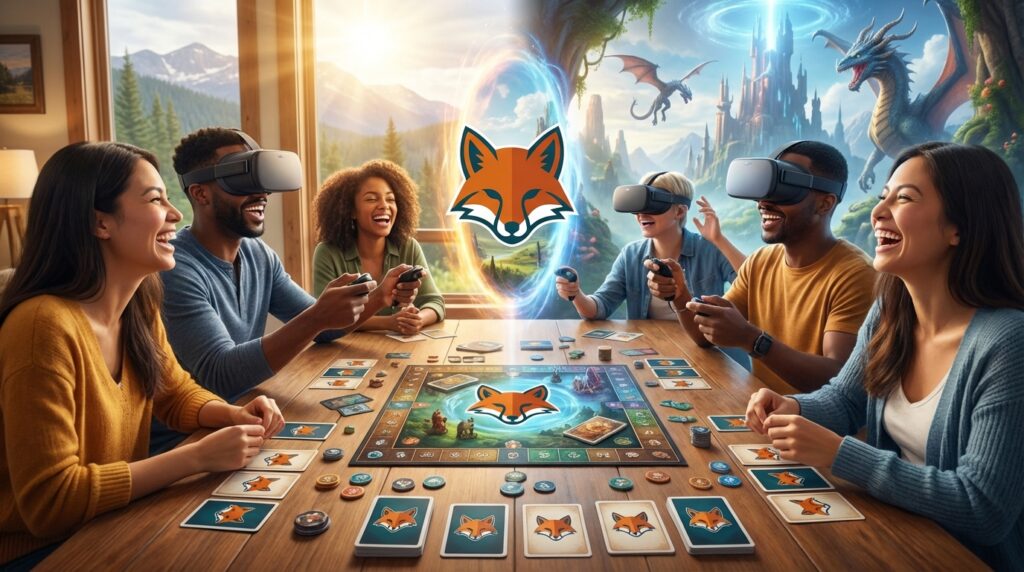
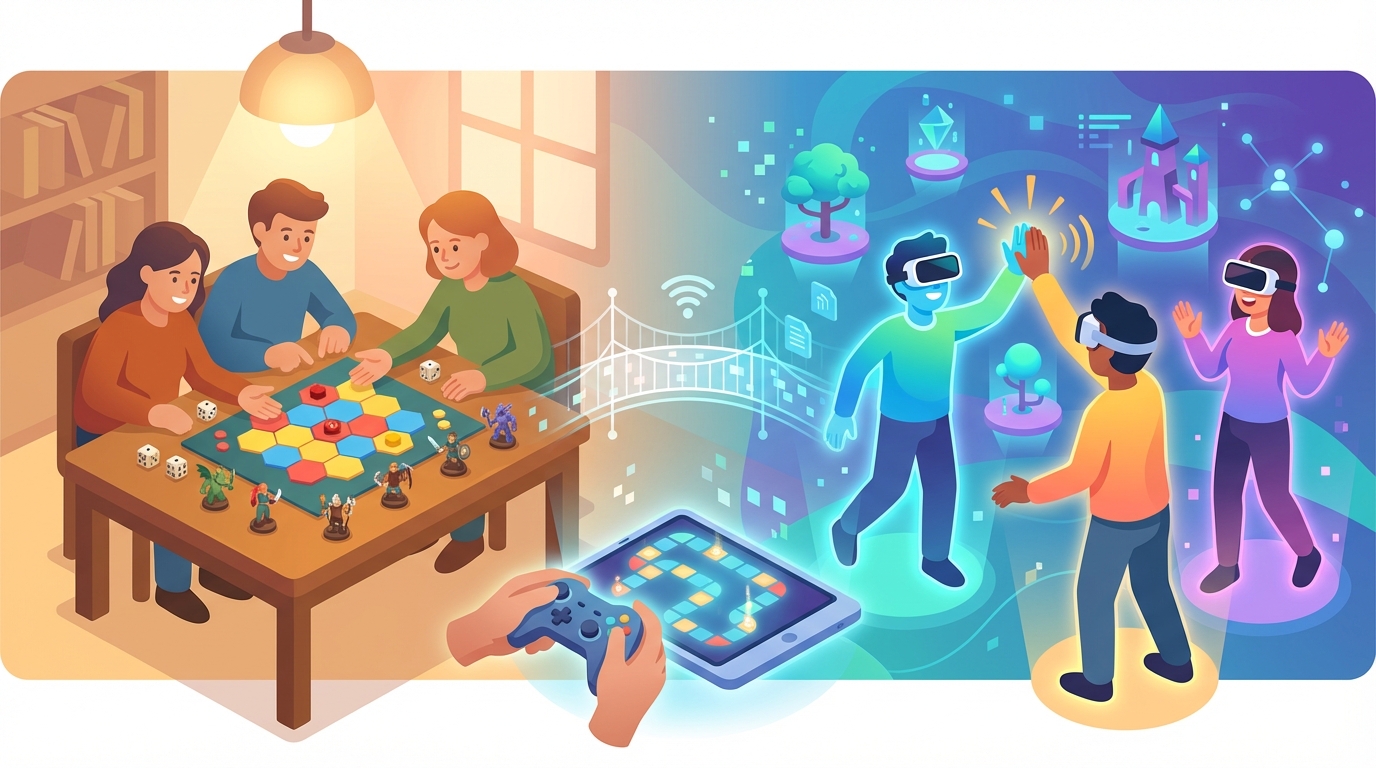
Social gaming has leapt off kitchen tables and into headset-driven worlds. Play now blends tactile dice rolls with voice chat and VR presence. Because friends matter, co-op and party games keep the fun human. From cardboard miniatures and whispered strategies around a lamp to full-motion avatars that high-five across a virtual arena, the journey feels magical and intentional, and it shows how designers translate tactile teamwork into spatial audio, persistent worlds, and cooperative mechanics that reward communication and creativity.
In this article we will unpack the best ways to play together, spotlight Demeo-style co-op secrets, and recommend digital party games that spark laughter and rivalry, so whether you prefer rolling dice at a dining table or diving into room-scale VR with friends, you will find new ways to connect and play, and discover new rules, moments of chaos, and memories that last long after the session ends.
Why Demeo-style co-op shines in social gaming
Demeo-style games trap the feel of a tabletop session in a digital space. Players take distinct roles, move miniatures, and use cards or powers to defeat foes. Because turns resolve visibly, teamwork and timing become central to success. The digital table preserves initiative and pacing while adding animations and effects.
Immersion comes from a living 3D table, spatial audio, and responsive avatars. In VR, gestures let you point to tiles or mimic casting a spell. However, the core tactics echo tabletop play, such as positioning and threat management. That blend keeps strategies familiar and adds physical presence. Learn more: Demeo overview.
These co-op experiences emphasize cooperative play, team-based strategy, and social VR interaction. Players coordinate roles like tank, healer, and damage dealer, which rewards clear communication. As a result, sessions produce quick problem solving, inside jokes, and shared triumph. Try it on Steam: Demeo on Steam.
Compared to traditional tabletop co-op, digital versions scale easier and reduce setup time. Yet they retain the ritual of planning turns and celebrating critical hits. Because social bonds form through collaboration, these games feel like modern campfire tales. Read more about how VR strengthens social bonds: VR and Social Bonds. Give a short campaign a try and invite three friends for a session.
| Format | Typical players | Interactivity level | Required gear | Accessibility | Social engagement quality |
|---|---|---|---|---|---|
| Tabletop games | 2 to 6 players | High tactile and face to face | Board, miniatures, dice | Very accessible, low tech | Deep in person bonding with rich nonverbal cues |
| Demeo style co op digital games | 2 to 4 players | Turn based with real time chat and shared turns | PC or console, optional VR headset | Moderate, needs platform and purchase | Cooperative teamwork, strategic planning, shared triumphs |
| VR social games | 2 to 8 players | High embodied interaction with gestures and spatial audio | VR headset, motion controllers, room space | Lower accessibility due to cost and space | Immersive presence and strong emotional connection |
| Digital party games | 4 to 16 or more players | Fast, casual, high interaction | Smartphone or PC and internet | Highly accessible and low cost | Lively competitive fun that creates quick bonding |
Digital party games for fast social fun
Digital party games shine when friends want instant fun. These quick, accessible titles are central to modern social gaming because they lower setup and learning barriers. They invite anyone to jump in, laugh, and compete without long rules or heavy gear. As a result, they keep parties lively and inclusive.
Try Jackbox Party Pack for trivia and drawing games that guests play with phones. Alternatively, Among Us offers chaotic social deduction that sparks conversation and friendly accusations. Fall Guys and Mario Party bring simple mechanics and physical humor to larger groups. Also, browser based games and mobile apps let remote players join instantly via a link.
Because sessions last minutes to hours, hosts can fit play into any schedule. Most run on phones, tablets, or low end PCs, so cost stays low. Therefore, digital party games make reunions, virtual hangouts, and family nights easy to plan. They encourage inside jokes, playful rivalry, and memorable moments that strengthen friendships. Try one at your next gathering and watch the laughter spread.
Conclusion
Social gaming has grown from intimate tabletop nights to expansive VR co-op adventures. It blends tactile rituals with immersive presence, and keeps play social and joyful. Because players share stories, strategies, and laughter, games forge friendships and lasting memories. From dice clatter to virtual high fives, the joy of shared play remains. Moreover, modern tools let distant friends feel present in the same room.
LeisureQuest champions thoughtful play and meaningful free time. Their mission guides readers to quality leisure activities that make downtime engaging and rewarding. Their guides help match your group with the right format and tech. Therefore, you waste less time guessing and more time playing. Visit LeisureQuest to explore guides, game picks, and event ideas.
Ready for a game night that sparks laughter and teamwork? Try a Demeo-style co-op night, host a digital party, or step into VR with friends. Then share the moments and invite others to join the fun. Sign up for tips, follow curated picks, and plan your next session. Also, invite friends and make tonight the start of a new tradition.
Frequently Asked Questions
What is social gaming and why is it so popular?
Social gaming means playing games with others to connect and have fun. It combines conversation, cooperative play, online multiplayer mechanics, and friendly rivalry. Players enjoy quick matches, long campaigns, and virtual game nights that fit different schedules and social styles.
How do Demeo-style co op games work?
These games recreate tabletop tactics in a digital space. Players pick classes, move miniatures, and play cards or abilities that affect a shared board. Visible turns emphasize timing, positioning, and team roles. For official details visit Resolution Games Demeo and the Steam listing for Demeo.
What gaming gear do I need for VR and online multiplayer?
Gear depends on the format. Typical items include
- Headset or display for VR or PC play
- Motion controllers for gestures and interaction
- Headphones or headset for voice chat and spatial audio
- Reliable internet for online multiplayer and remote sessions
- Clear play space for room scale VR
Why choose digital party games for virtual game nights?
Digital party games lower barriers because they run on phones and low end PCs. They let large groups join quickly and spark fast laughs. Try Jackbox Party Pack for phone enabled party packs and Among Us for social deduction thrills.
How do I start a co op session with friends?
First pick the format that matches your group and available gaming gear. Next set a time and share lobby links or invites. Then test voice chat briefly and agree on simple goals for the opening session. Finally focus on fun and learning rather than perfection.