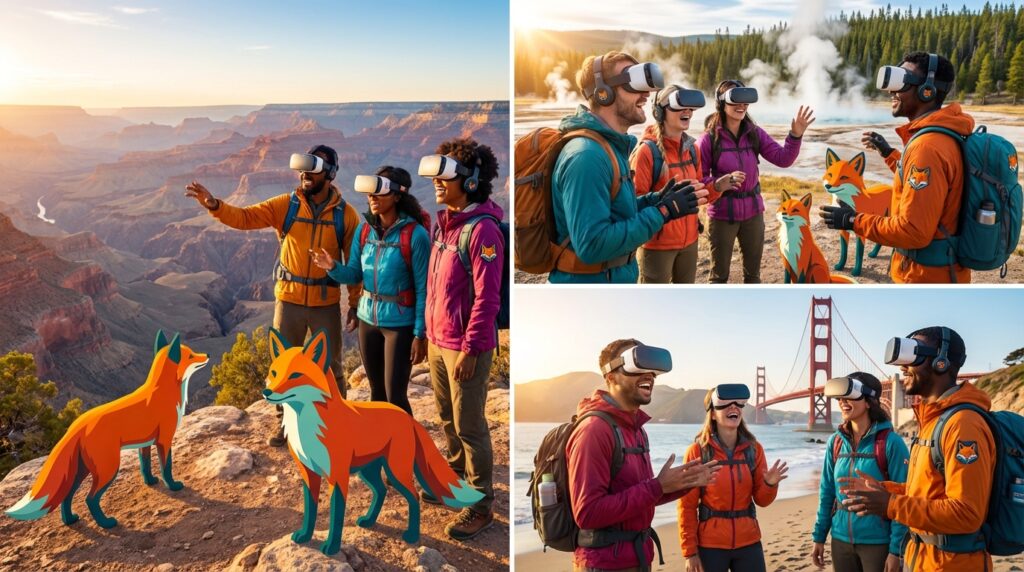
Is Virtual Reality Really Dead?
Is Virtual Reality Really Dead? That question nags at developers, players, and curious onlookers alike. Once hyped as the future of play, VR now sits at a crossroads. Some headlines declare its death, yet dedicated communities and creative studios tell a different story. This piece puts the controversy front and center and asks what social VR and tabletop revival mean today.
Across living rooms and neon-lit streams, virtual spaces reinvent group play. Social VR platforms like Horizon Worlds and VRChat host meetups, shows, and campaigns. Tabletop adaptations such as Demeo and Dungeons & Dragons integrations bring miniature tactics into immersive rooms. Therefore, VR grows in niches, not on billboards.
However, the tools and storytelling have matured. Headsets such as Vision Pro coexist with hybrid and low-fi solutions. As a result, creators blend shared screens, live voice, and persistent virtual stages to craft new rituals. Read on to explore the economics, the communities, and the games that prove VR is far from finished. By the end, you will weigh whether virtual reality is dead, sleeping, or quietly evolving into something far more social.
Is Virtual Reality Really Dead? Social VR, Horizon Worlds and VRChat
Social VR lives where people gather in shared virtual rooms. Meta built Horizon Worlds to host those gatherings. Mark Zuckerberg argued that “Feeling truly present with another person is the ultimate dream of social technology.” See his Founder’s Letter for context: Founder’s Letter.
Horizon Worlds shows both potential and limits. Meta reports roughly 200,000 active users. However, creators and critics note retention and engagement issues. For context, large platforms dwarf Horizon Worlds in scale and reach. Roblox reports about 380 million monthly active users. Source.
By contrast, VRChat maintains a smaller but lively community. Concurrent and daily users vary, with community tools and user worlds driving activity. See Steam metrics for real time context: Steam metrics.
Challenges for social VR platforms
- Horizon Worlds active users: about 200,000 users (reported in coverage). See: Coverage.
- VRChat concurrent or daily users: tens of thousands, with peaks far higher. See: Steam metrics.
- Roblox scale: roughly 380 million monthly active users. See: Source.
Cost and community dynamics matter. Meta poured billions into Reality Labs, which strained resources. As a result, development choices shifted to smart glasses and AI. Moreover, Horizon Worlds faces high cost per user and content moderation burdens. However, niche studios and creators still chase the Holodeck dream. Matt Celia put it plainly: “What we’re all trying to do is build the Holodeck from Star Trek.” That aspiration keeps social VR alive, even as scale limits remain.
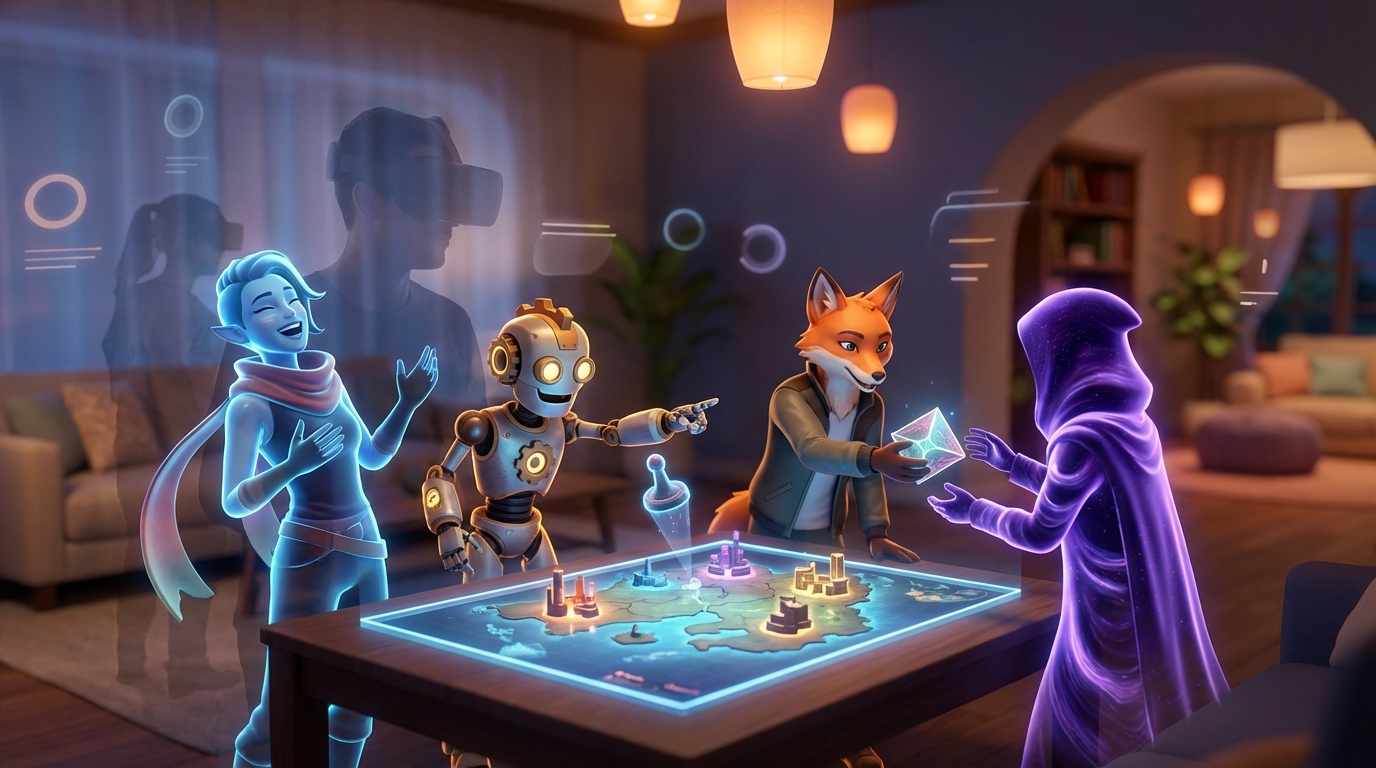
Is Virtual Reality Really Dead? Tabletop Revival in VR
Tabletop games found a new life inside virtual rooms. As a result, titles that mimic board and miniature play bring friends together. Resolution Games and other studios rebuilt classic social rituals for headsets and flat screens. Resolution Games hosts Demeo, a standout that blends tactical depth with cooperative storytelling. Learn more at Resolution Games.
Demeo and its Dungeons & Dragons collaboration, Demeo x Dungeons & Dragons: Battlemarked, show how franchises and indie teams partner. Wizards of the Coast lends brand and rulecraft. Therefore, licensed tabletop experiences gain legitimacy and visibility. See Wizards of the Coast.
These games keep players engaged through several tactics:
- Cooperative campaigns that require planning and teamwork
- Voice chat and avatar gestures that reproduce face to face cues
- Persistent progression and unlocks that reward repeat play
- Cross platform play that lowers the barrier to entry
For practical context, Demeo’s Steam page tracks reviews and community activity. Visit the store for platform details: Demeo on Steam.
More broadly, tabletop VR survives by emphasizing social strategy. Moreover, designers focus on rules, pacing, and shared discovery. Because players value human interaction, these games sustain lively communities. Therefore, even amid market headwinds, tabletop VR helps prove virtual spaces remain culturally and socially relevant.
Is Virtual Reality Really Dead? At a glance comparison
| Platform | Type | Approx user base | Cost | Platform features | Community engagement |
|---|---|---|---|---|---|
| Horizon Worlds | Social VR | ~200,000 active users | Free to join; requires Meta headset (hardware costs apply) | Persistent user worlds; creator tools; moderation features. Full story | Moderate activity; creator-focused but faces retention and cost-per-user challenges |
| VRChat | Social VR | ~40,000 daily users (varies) | Free on PC; headset optional | Highly moddable user worlds; rich avatar customization; social events. See realtime metrics | Strong creator communities; steady concurrency and user-made events |
| Demeo | Tabletop VR game | Active Steam community; niche but engaged | Paid title on Steam and VR storefronts (platform pricing varies) | Turn-based tactical tabletop in VR; voice chat; crossplay. Store | Loyal co-op players; repeat campaigns and social strategy drive retention |
| Demeo x Dungeons & Dragons: Battlemarked | Tabletop VR game | Niche, franchise-driven players | Paid; may include DLC or editions | Official Dungeons & Dragons ruleset integration; licensed content; increased visibility. Developer | Publisher | Attracts tabletop and DnD fans; strong engagement within its niche |
Key takeaways
- Social VR platforms focus on presence and creator tools; however, they struggle with scale compared to mainstream platforms.
- Tabletop VR emphasizes strategic social play and repeat sessions, which keeps communities active.
- Therefore, despite market headwinds, these experiences show VR still evolves in social and gaming niches.
Conclusion: Is Virtual Reality Really Dead?
Short answer No. The evidence shows VR is not dead, but it has a different path than early hype promised. Big investments and mixed sales figures have slowed mass adoption. However, passionate communities and creative developers keep VR active and relevant.
Social VR platforms and tabletop revivals provide proof. Horizon Worlds, VRChat, Demeo, and franchise collaborations sustain dedicated groups. Moreover, these spaces offer real social rituals, teamwork, and ritualized play. As a result, players form habits and friendships that extend beyond headlines.
Market headwinds remain. Reality Labs losses and limited headset shipments show hard realities. Therefore, mainstream scale is uncertain and expensive. Yet niche success matters more than ever, because it proves the medium can evolve sustainably.
LeisureQuest believes that play belongs everywhere, virtual and physical. Visit our mission page to learn more: our mission page. Explore small communities, join a tabletop session, or try a social VR hangout. In short, VR is not dead. It is changing, and it waits for explorers.
Frequently Asked Questions
What is the short answer to Is Virtual Reality Really Dead?
No. Virtual reality is not dead. However, it took a different route than early hype predicted. Big corporate bets slowed broad adoption, and headset sales remain limited. Still, niche communities, social VR hangouts, and tabletop VR games show steady life. Therefore, VR feels smaller but more focused and socially rich.
How healthy are social VR platforms like Horizon Worlds and VRChat?
They are active but uneven. Horizon Worlds reports about 200,000 active users, while VRChat sees tens of thousands daily. However, scale lags behind mainstream game platforms. Because of moderation, cost, and retention challenges, social VR often serves creators and tight communities. For realtime metrics and community context see VRChat stats and reporting on Horizon Worlds.
Are tabletop VR games worth trying for groups and friends?
Yes. Tabletop VR translates familiar rituals into immersive rooms. Games such as Demeo and its Dungeons & Dragons collaboration combine turn based tactics with voice and avatar gestures. Because these titles emphasize teamwork and strategy, they keep players engaged for repeated sessions. Learn more and check platform details at the Demeo store and Resolution Games.
How accessible is VR right now for new players?
Accessibility varies. High end headsets remain costly, while lower cost and PC based options reduce the barrier. Also, mixed reality devices like Vision Pro have limited shipments, so they do not yet define the market. Therefore, many players start with free social apps or single platform purchases before investing heavily.
How should I begin exploring social and tabletop VR experiences?
Start small and social. Join a free social app, attend a public event, or book a co op session in a tabletop VR game. Also, ask friends to try crossplay sessions, test audio quality, and keep sessions under two hours. Finally, follow community hubs and creators to find regular game nights and events.