
AG1 and Scientific Validity: Slow Down and Recharge with Mindful Wellness
The wellness industry often reads like an advertisement. AG1 and Scientific Validity sits at the center of that noise, because marketers love the phrase clinically backed. Many brands promise effortless health. However, the science behind those promises often looks thin.
This introduction sets a skeptical tone. It frames the investigation into greens powder, vitamins, probiotics, microbiome claims, and clinical studies. Therefore, readers should expect careful questions, not cheerleading. We will examine marketing language, company funded research, and what the evidence actually shows.
Readers will also get practical context. First, we explore the claims behind AG1 and Athletic Greens. Next, we look at the strengths and limits of the published studies. Finally, we discuss mindful routines and realistic expectations for daily supplements.
Throughout the article, the goal remains clear. Slow down and recharge by pairing mindful wellness with critical thinking. As a result, you can make decisions based on evidence and healthy habits rather than marketing spin.
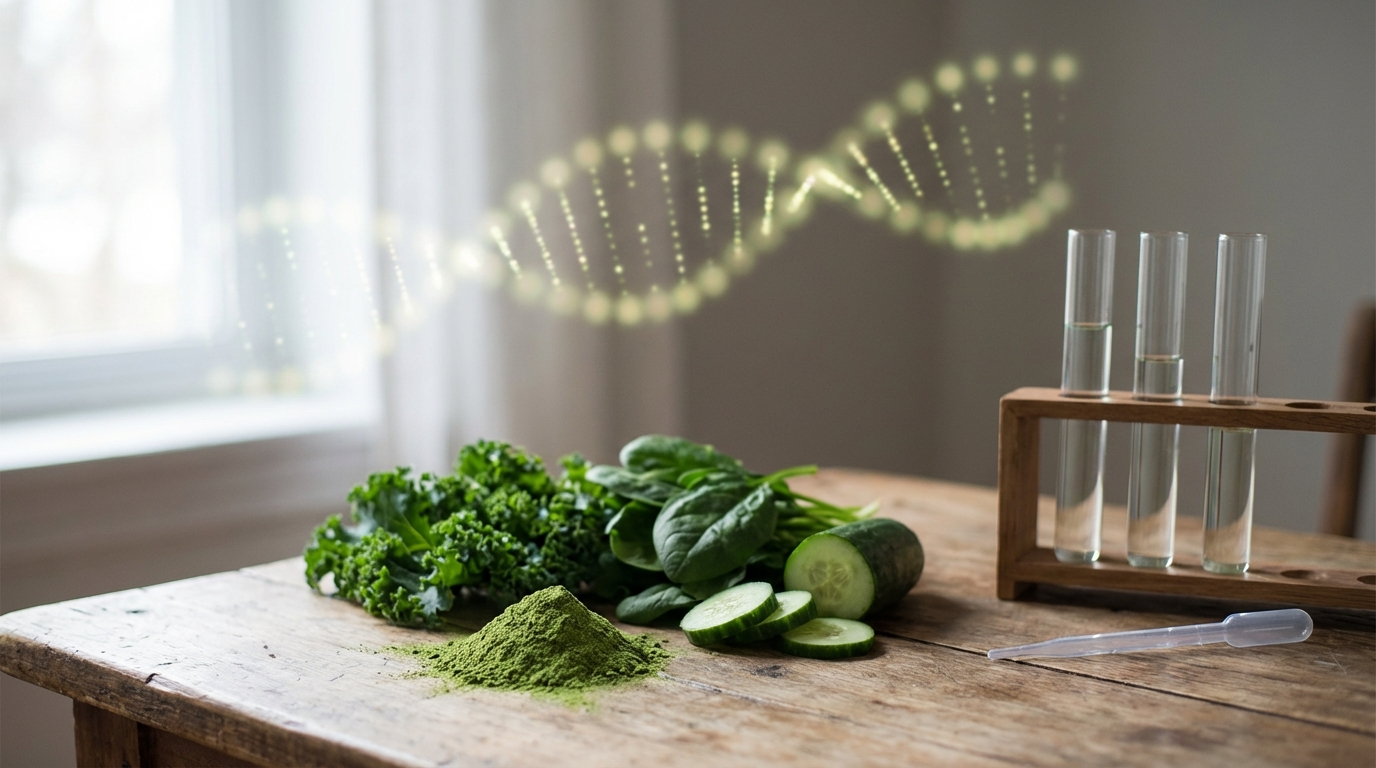
Image concept
- A close up of a green powder mound in a glass jar sitting on a wooden table near fresh leaves and a small lab notebook
- A pair of reading glasses and a printed study with highlighted passages beside the jar to suggest scrutiny
- Natural light and muted tones to blend nature and laboratory aesthetics, conveying both greens powder and scientific skepticism

AG1 and Scientific Validity — Detailed Analysis
AG1 and Scientific Validity deserves careful scrutiny. This section breaks down what AG1 actually contains, what studies show, and how marketing shapes perception.
Composition: What is in the greens powder
AG1 packs more than 70 ingredients, largely freeze-dried vegetable powder blends and concentrated extracts. Because of that formulation, the product delivers nutrients in a convenient form. However, freeze-dried powders differ from whole foods in fiber and bioavailability.
Key facts
- AG1 contains vitamins, minerals, probiotics, and herbal extracts and greens powder blends.
- Most ingredients are freeze-dried vegetable powders rather than fresh produce.
- The product aims to support daily nutrition, not replace whole foods.
Clinical studies: published work and limits
AG1’s research has appeared in peer-reviewed outlets and preclinical models. For example, an in vitro SHIME® model study reported shifts in gut microbial structure. See the PubMed entry for that study. Moreover, the brand lists human studies and summarized outcomes on its research page: AG1 Research Page.
However, many studies have limits. Several trials rely on company funding, small sample sizes, or short durations. A registered clinical trial (NCT06332898) targeted nutrient biomarkers and microbiome outcomes, but full peer-reviewed results remain sparse: Clinical Trials on NCT06332898. Therefore, the current evidence suggests possible benefits but stops short of definitive clinical claims.
Funding, authorship, and bias
Company funding can influence study design and interpretation. In some AG1 research, authors include company employees. Consequently, readers should weigh potential conflicts of interest when evaluating conclusions. Independent replication matters because it reduces science-washing and increases confidence.
Marketing claims versus regulatory reality
AG1 is often described as clinically backed in marketing materials. However, dietary supplements do not require FDA approval for health claims. For background on regulation, consult the FDA guidance on dietary supplements. Therefore, “clinically backed” functions more as a marketing phrase than a guaranteed scientific standard.
Practical takeaway
Use AG1 as a convenient supplement, not a cure. Pair it with whole foods and mindful routines. As a result, you protect your health goals against hype and maintain realistic expectations.
AG1 and Scientific Validity: Claims versus Evidence
| Claim | Scientific Support | Source | Comments |
|---|---|---|---|
| Clinically backed | Some peer-reviewed papers and company funded trials. However independent replication is limited. | Source 1, Source 2 | Marketing uses the phrase broadly. It does not equal FDA approval. Read disclosures and conflict of interest statements. |
| Improves gut microbiome | In vitro SHIME model shows shifts in microbial activity. Human clinical evidence is sparse. | Source 1, Source 2 | Model results do not prove clinical benefit. Larger human trials are needed for clear conclusions. |
| Replaces daily vegetables | No solid evidence it matches whole food benefits. Freeze-dried powders lack fresh fiber and show bioavailability differences. | Source | Best used to supplement a healthy diet, not to replace produce. |
| Boosts energy and performance | Small short-term studies and subjective reports suggest minor effects. Objective outcomes are unclear. | Source | Placebo and expectation effects may explain some reported benefits. Question bold performance claims. |
| Safe for general use | Short-term studies show low risk. Long-term safety and interactions are under-studied. | Source | Consult a clinician if you take medications or have health conditions. Monitor for interactions and side effects. |
Mindful Routines and Relationship Recovery in a Realistic Wellness Context
Mindful wellness matters more than one product. When AG1 and Scientific Validity raise questions, slow practices offer steady gains. Mindfulness and relationship recovery build resilience. They also reduce stress and improve sleep.
Relationship recovery requires time and small habits. Work on communication, boundaries, and shared routines. As a result, partners reconnect around meals, walks, and rest. Those practices create sustainable wellbeing that supplements cannot deliver.
Wellness marketing often oversells quick fixes. Therefore, consumers face exaggerated promises and science washing. Instead, focus on realistic wellness claims that emphasize lifestyle change. For reliable overviews of mindfulness research, see the American Psychological Association. Moreover, the Mayo Clinic offers practical meditation guidance.
Practical tips help you slow down and recharge. Start with short daily practices and build gently. The point is consistency, not intensity.
Tips for a mindful daily routine
- Start each morning with three deep breaths and a brief body scan. This helps ground mood and focus.
- Eat a balanced breakfast and include whole foods. Greens powder can supplement nutrition but does not replace vegetables.
- Schedule a tech free walk or conversation with a partner several times per week. This strengthens bonds and lowers stress.
- Prioritize sleep with a regular schedule and a wind down ritual. Better rest supports mood and recovery.
- Track small wins rather than chase dramatic results. Small changes compound over time.
In short, blend thoughtful routines with evidence based choices. Because mindful habits last, they offer real wellbeing beyond marketing noise.
Conclusion
In short, AG1 and Scientific Validity shows mixed evidence for bold marketing claims. Some peer reviewed studies exist, but many are company funded and limited in scope. Therefore, the label clinically backed deserves scrutiny. Moreover, freeze dried greens powder cannot replace whole foods for fiber and bioavailability.
By contrast, mindful routines and relationship recovery produce durable benefits. Slow practices reduce stress, improve sleep, and support real wellness gains. Because wellness marketing often favors catchy phrases, consumers should ask for evidence. Use supplements like AG1 as practical aids, not miracle cures. As a result, prioritize whole foods, sleep, movement, and meaningful time with others.
For curated ideas that promote play, exploration, and balanced downtime, visit LeisureQuest. Slow down, reflect, and choose routines backed by evidence and lived experience. Demand transparency and independent replication when possible. This approach honors realistic wellness claims and reduces science washing. Make choices that fit your life and values.
Frequently Asked Questions
What evidence supports AG1’s health claims?
Limited clinical evidence. Company funded studies and preclinical models exist. Independent, large randomized trials are sparse. Evaluate clinical evidence and replication.
Is AG1 safe to use every day? AG1 safety
Generally low short term risk. Monitor for interactions and nutrient excess. Consult a clinician if you take medications or have medical conditions.
Can AG1 replace fresh vegetables?
No. Greens powder lacks fresh fiber and may differ in bioavailability. Use AG1 as a supplement alongside whole foods.
What does clinically backed mean for supplement claims?
Often indicates company funded research or small trials. It is not FDA approval. Read methods, disclosures, and look for independent replication.
How do I evaluate supplement claims and avoid science washing?
Check who funded the study and conflicts of interest. Prefer larger, longer randomized trials with objective outcomes. Look for transparent methods and peer reviewed results. Prioritize lifestyle foundations: sleep, diet, movement, stress management.
Want to dig deeper?
Review primary studies and trial registries and discuss AG1 with a healthcare provider.