Maker Faire Brussels 2026: Where Tinkering Becomes Tomorrow
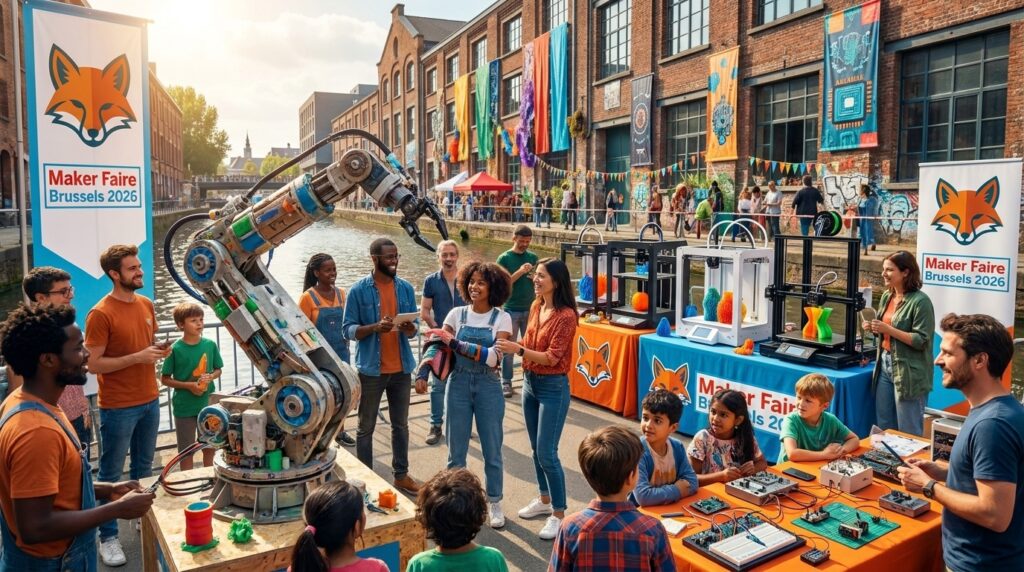
Step into a buzzing hall of curious machines, soldering irons, and bright-eyed builders. Maker Faire Brussels 2026 gathers makers, students, artists, and hobbyists to celebrate hands-on creativity and practical innovation.
You’ll spot tiny Raspberry Pi projects pulsing with LEDs, retro arcade cabinets restored and reimagined, and benches covered in 3D prints and circuit boards. Each project tells a story of trial, failure, and the small triumph that follows. The air smells of hot plastic and coffee; laughter mixes with the steady rhythm of workshop tools.
This is more than an exhibition. It’s a workshop playground where skills are shared freely. Beginners learn from seasoned tinkerers. Communities form around shared tools and shared questions. Inspiration travels faster than a soldering iron’s glow.
Whether you’re planning a weekend Raspberry Pi build or dreaming of building your own arcade cabinet, this event sparks ideas and hands-on confidence. Read on for practical project ideas, step-by-step starters, and ways to plug into Brussels’ maker community.

A warm, colorful indoor scene at Maker Faire Brussels 2026 showing diverse attendees interacting with maker projects. Foreground: a table with Raspberry Pi micro-projects glowing with multicolored LEDs; a maker guides a child through wiring. Midground: a restored arcade cabinet with someone playing and cheering, nearby a 3D printer printing a plastic figurine with filament spool visible. Background: a robotic arm performing a pick-and-place demo while volunteers discuss projects. Workbenches scatter tools, soldering irons, and 3D-printed parts. The style is stylized realistic illustration with warm lighting and bright teals, oranges, and neutrals, conveying community, creativity, and hands-on innovation. No text or logos appear in the image.
Maker Faire Brussels 2026: Innovation in Action
Maker Faire Brussels 2026 brings together emergent technologies and the hands-on ethic of DIY culture to accelerate practical problem solving. The fair is a show-and-tell for applied invention, where robotics, 3D printing, and digital fabrication meet local makers, small-scale manufacturers, and researchers. Expect demonstrations that push usability, repairability, and modular design—approaches that make tech more accessible beyond labs and large factories.
Key innovations showcased
- Robotics built for collaboration: lightweight robotic arms and assistive machines designed for makerspaces and small workshops, emphasizing safety and low cost.
- 3D printing evolved: multi-material prints, recycled filament trials, and on-site post-processing techniques that shorten prototype cycles.
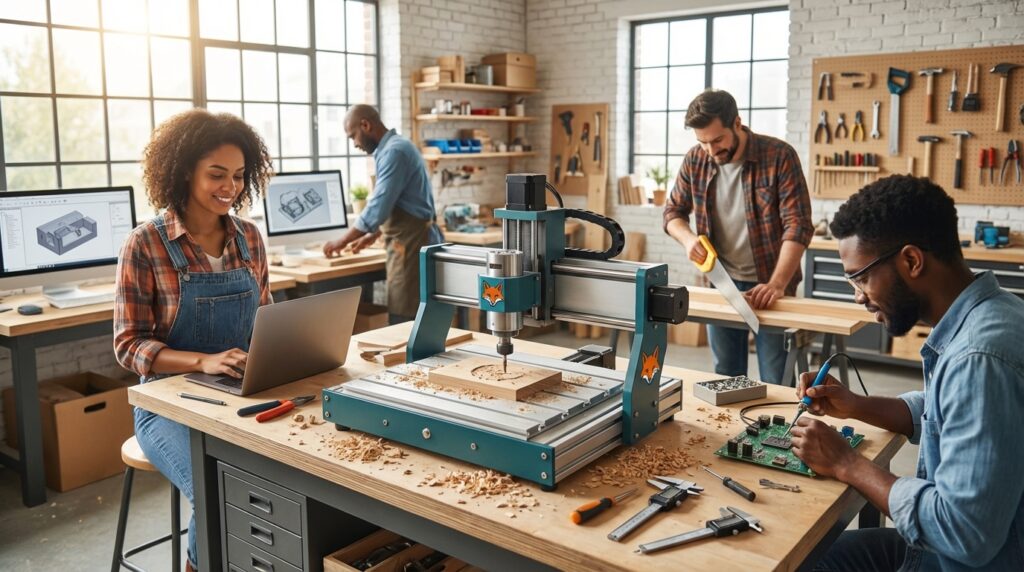
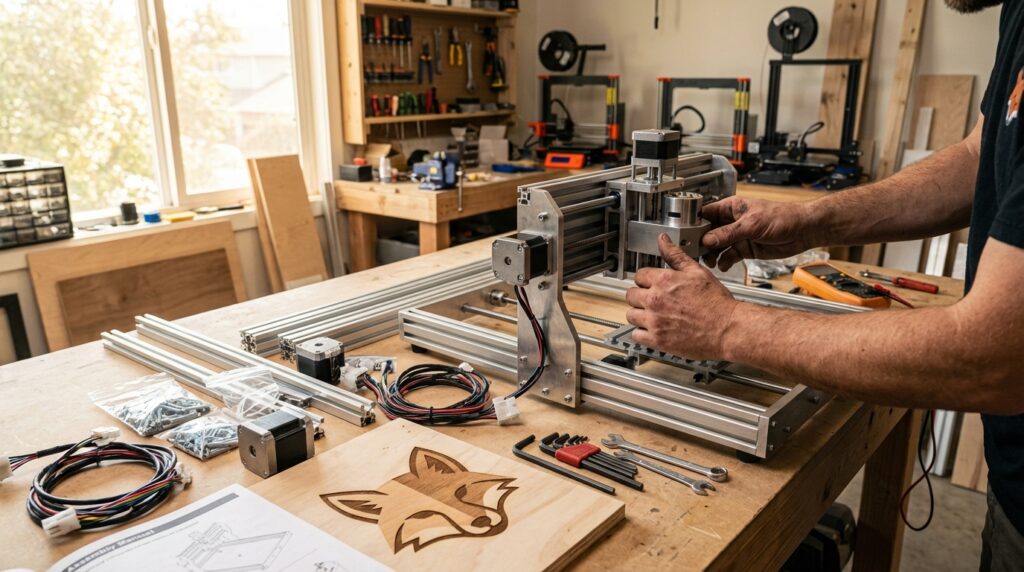
- Digital fabrication tools: CNC, laser cutters, and textile digital looms used in open-source workflows to speed local manufacturing.
- Distributed design practices: repositories and maker-led standards that enable parts to be remixed and remanufactured.
Maker Faire Brussels 2026: Sustainability and the Circular Economy
Sustainability is embedded in programming. The fair highlights circular economy principles through partnerships such as circlemade.brussels. Those collaborations connect makers to repair networks, material reuse programs, and training on sustainable manufacturing practices.
How the event promotes sustainable manufacturing and community resilience
- Material recovery workshops that teach recycling techniques for PLA, textiles, and electronic waste.
- Pop-up repair cafés linking tinkerers with citizens to extend product life and share hands-on tech skills.
- Local manufacturing showcases that pair designers with nearby fab labs and micro-factories to shorten supply chains.
- Sessions on circular design: lessons in modularity, disassembly, and designing for reuse.
Community engagement ties innovation to impact. Workshops, peer-to-peer mentoring, and collaborative builds spread skills across ages and backgrounds. This makes the fair a living lab for sustainable manufacturing—where ideas move quickly from prototype to practical local use, strengthening Brussels’ ecosystem of makers, fab labs, and green manufacturing initiatives.
| Project | Technology used | Sustainability aspect | Community impact |
|---|---|---|---|
| Raspberry Pi builds | Single-board computers, GPIO, Python, sensors, HATs | Low-energy prototypes; repurposed components; encourages repair and upgrades | Entry-level coding workshops; classroom kits; rapid prototyping for social projects |
| Arcade cabinets | Raspberry Pi/retro emulation, woodworking, custom controls | Restored hardware; reused cabinets; upcycled wood and components | Intergenerational play; maker-led restorations; local builder meetups |
| Robotic arms | Lightweight collaborative actuators, open controllers, ROS-compatible | Designed for repairability; shared modular parts; energy-efficient motion | Hands-on training for small manufacturers; fab-lab demos; co-build sessions |
| 3D printing projects | FDM and SLA printers, multi-material workflows, slicing toolchains | Recycled and bio-based filaments; local on-demand parts; reduced transport emissions | Community print farms; prototyping hubs; shared part libraries |
| Textile innovations | Digital looms, CNC cutters, conductive thread, Fabricademy methods | Textile recycling and upcycling; modular garments; material-efficient patterns | Designer–maker workshops; local textile networks; sustainable fashion pop-ups |
Maker Faire Brussels 2026: Hands-on Tech Workshops and Fab Labs
At Maker Faire Brussels 2026 a dense schedule of tech workshops puts tools in people’s hands. In guided sessions, beginners learn basic soldering, GPIO wiring for Raspberry Pi projects, and simple code that makes sensors respond. More advanced classes cover arcade cabinet controls, 3D-printer calibration, CNC setup, and textile-electronics blending taught with Fabricademy methods.
Workshops run as drop-in stations, timed masterclasses, and multi-session bootcamps. Fab labs and makerspaces supply equipment and mentors. hub.brussels helps coordinate local teams so workshops link to Brussels fab labs and ongoing community programs.
“Come for the science, stay for the workshop playground, and get inspired by creatives and creators reinventing the future.”
Maker Faire Brussels 2026: Community Engagement, Skill Building, and Networks
Sessions emphasize learning by doing. Peer tutors guide small groups. Attendees fix broken devices at repair cafes, co-design open hardware, or join multi-person builds. That hands-on tech culture accelerates confidence and curiosity.
Typical outcomes:
- Faster skill progression from novice to contributor.
- Cross-team collaboration between designers, coders, and makers.
- Pathways into local manufacturing and small-batch production.
- Growth of circular economy practices through repair and material reuse.
- New projects that seed workshops in Brussels fab labs after the fair.
Fabricademy-led textile clinics and hub.brussels-supported maker grants turn weekend experiments into sustained projects. The fair is where community networks, training, and tools converge—so ideas become skills, and skills become shared resources across Brussels.
Conclusion: Make, Learn, and Belong at Maker Faire Brussels 2026
Maker Faire Brussels 2026 is a vibrant crossroads of invention, sustainability, and community. The event spotlights practical innovation—from collaborative robotics and digital fabrication to circular manufacturing partnerships—while centering hands-on learning and shared skills.
Visitors leave with more than inspiration. They gain practical know-how, repair habits, and new connections to Brussels’ maker ecosystem. Small experiments turn into resilient local projects. Ideas become workshops, and workshops support sustainable manufacturing and the circular economy.
LeisureQuest celebrates this spirit. As a curated guide to quality leisure time, LeisureQuest helps you turn free hours into meaningful projects and community experiences. Explore maker culture, join a workshop, or start a weekend build—each choice makes leisure more creative and socially rewarding.
If you want to dive deeper, seek out local fab labs, Fabricademy sessions, or community repair cafés. Bring curiosity, an open mind, and a willingness to tinker.
Maker Faire Brussels 2026 shows how play and purpose combine to reshape local manufacturing and leisure. Join the quest—make something, learn together, and help build a greener, more inventive Brussels.
LeisureQuest: LeisureQuest
Frequently Asked Questions (FAQs)
When and where is Maker Faire Brussels 2026?
Maker Faire Brussels 2026 runs May 23–24, 2026, at Canal City in Anderlecht, Brussels. The program includes exhibitions, demos, and workshops across multiple halls.
What technologies and projects are featured?
Expect robotics, 3D printing, digital fabrication, Raspberry Pi builds, arcade cabinets, CNC and textile innovations. Highlights include collaborative robotic arms, multi-material 3D prints, and Fabricademy textile labs.
How do I participate in workshops and fab labs?
- Check the event program for scheduled masterclasses and drop-in stations.
- Many sessions accept walk-ins; popular classes require advance registration.
- Bring a laptop, basic tools, and any required kits listed in the workshop description.
- Workshops may have age or safety requirements; see session notes for details.
Can I exhibit or volunteer?
Yes. Exhibitors apply through the Faire’s exhibitor portal; volunteers support logistics, workshops, and demos. Early application increases chances of placement.
What sustainability initiatives are included?
The fair works with partners like circlemade.brussels on circular economy programs. Initiatives:
- Repair cafés and material-recovery workshops.
- Trials with recycled/bio-based filaments.
- Showcases linking designers to local micro-manufacturing.
These aim to promote sustainable manufacturing and reuse.