Mental Health and Medical Innovations
Mental Health and Medical Innovations are driving a clear shift in how we pursue balance and wellbeing. Gone are the days when mental care meant only weekly therapy and medication. Today, people combine small rituals, online retreats, sound baths, and clinical breakthroughs to create personalized, practical paths toward stability.
This article explores that integration. You will learn how micro-habits—brief meditations, journaling prompts, and sensory practices—pair with digital retreats and restorative sound sessions. At the same time, medical innovations such as psychedelic-assisted therapy and neuromodulation are expanding options for those with treatment-resistant conditions.
The goal is pragmatic optimism. We highlight approaches supported by scientific studies and experienced practitioners. We also flag where evidence is still emerging and when clinical oversight is essential.
Whether you are curious about building a daily ritual, sampling a virtual retreat, or tracking advances in clinical care, this guide helps you separate durable tools from trends. Read on to find practical next steps, safety considerations, and resources that make mental wellness more accessible and resilient.
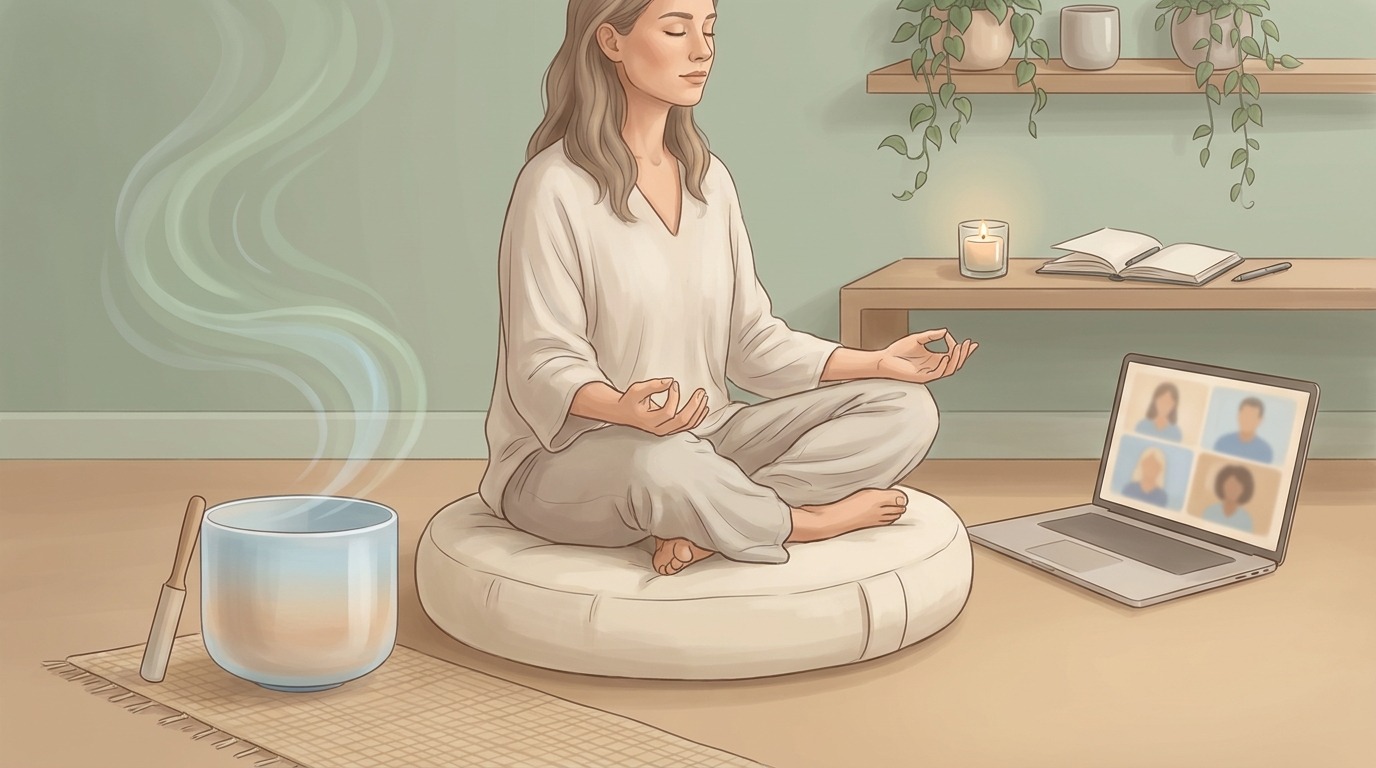
Image shows a softly lit, minimal illustration: a person meditating on a cushion, a crystal singing bowl, a laptop with a blurred online retreat grid, plants, a journal, and a candle. The palette uses muted pastels to convey calm and balance.
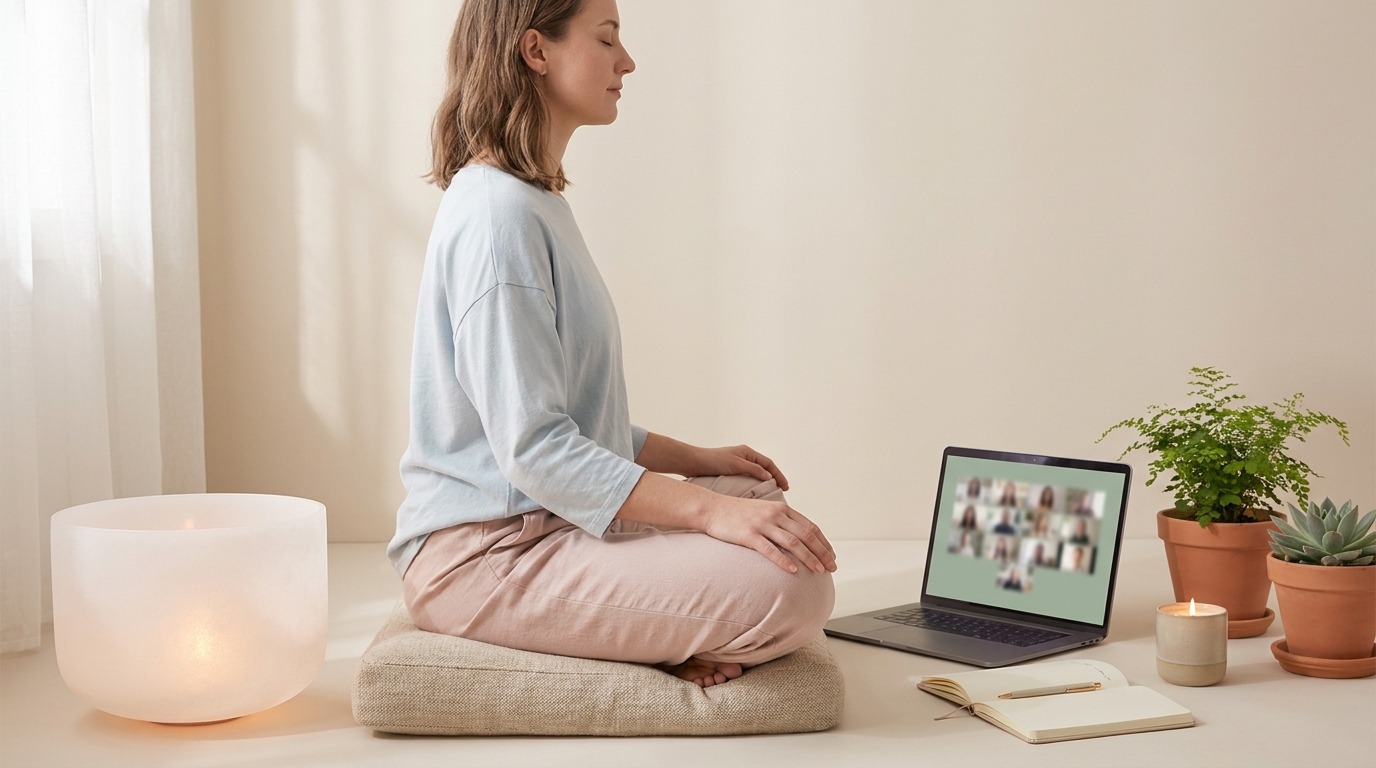
A calm, minimal illustration showing a person meditating on a cushion beside a crystal singing bowl. An open laptop displays a blurred virtual retreat grid. A journal, candle, and potted plants frame the scene in muted pastels, evoking balance and tranquility.
Online Retreats and Sound Baths: Practical Rituals within Mental Health and Medical Innovations
Online retreats and sound baths have become accessible, low-barrier rituals people adopt to steady mood and attention. Framed alongside Mental Health and Medical Innovations, these practices function as repeatable habits that support emotional regulation and resilience.
How they work
- Online retreats compress learning. Short courses and live sessions teach mindfulness, self-compassion, breathwork, and guided reflection. Regular, short sessions help convert intention into habit.
- Sound bath sessions use sustained tones from singing bowls, gongs, or chimes. The sensory focus encourages relaxation and shifts nervous-system activity toward parasympathetic states.
Scientific and expert perspective
Research on mindfulness-based interventions consistently shows symptom reductions for anxiety and depression when practices are sustained. Evidence for sound-based therapies is emerging; preliminary studies link sound meditation to increased calm and improved sleep quality. These areas fit under the broader field of Mental Health and Medical Innovations because they bridge behavioral practice with measurable physiological effects.
Teachers and researchers add useful framing. Tara Brach emphasizes compassion-centered awareness as a way to notice stress without getting pulled into it. Kristin Neff’s work on self-compassion highlights short, repeated practices that increase psychological resilience. Both perspectives support using retreats and sound baths as skill-building tools, not one-time fixes.
Practical tips for building a ritual
- Start small: 10–20 minutes three times per week. Consistency beats intensity.
- Create a dedicated space: dim light, a cushion, and a device for an online class or a small speaker for a sound bath.
- Pair with reflection: a short journaling prompt after sessions increases learning retention.
- Use wellness events to sample different styles before committing to a teacher or format.
When to treat them as complementary care
These rituals are best as complements to clinical treatment, not replacements. Consult a clinician if you have severe mood disorders, psychosis, or rapidly changing symptoms. Some people with trauma or bipolar disorder may need guided, trauma-informed facilitation to avoid destabilization.
Online retreats and sound baths offer practical entry points into self-regulation. When used consistently and responsibly, they expand the toolbox of supportive practices that sit alongside medical advances and formal therapies.
Online Retreats and Sound Baths within Mental Health and Medical Innovations
As part of the broader shift toward personalized wellness, online retreats and sound baths act as practical, scalable rituals that support regulation, learning, and connection. Instead of rehashing what they are, this section focuses on how to choose, measure, and integrate them meaningfully alongside clinical care.
What to look for when choosing a program
- Credentials and format: prefer facilitators with mental-health training or demonstrated trauma-informed practice. Check whether the retreat includes preparation and integration guidance.
- Accessibility and pacing: look for modular curricula and recorded options so you can repeat material at your own tempo.
- Community and follow-up: programs that offer small-group check-ins or peer support increase accountability and retention.
Scientific perspective and measurable outcomes
Research increasingly uses physiological markers to track effects of ritual practices. Heart-rate variability, sleep metrics, and EEG patterns often appear in preliminary studies as proxies for improved autonomic balance. Self-report scales (stress, rumination, mood) capture psychological change. Treat these measures as tools: they help you know if a ritual is producing durable benefits for you.
Expert lens
Tara Brach reminds us that curiosity and compassion make the practices useful: “Uncertainty, at some level, is very protective— the anxiety we feel is there to guide us in how we navigate the world.” Build rituals that encourage noticing, not fixing.
Practical integration strategies
- Layer rituals around clinical goals: use brief meditative anchors to support exposure work or integrate learnings from therapy sessions.
- Schedule micro-practices after therapy or medication check-ins so gains compound.
- If trying sound baths, start with guided, short sessions and note any shifts in sleep or reactivity over several weeks.
Safety, contraindications, and coordination
- Always inform your clinician about new practices, especially if you have a history of bipolar disorder, psychosis, or complex trauma.
- Seek trauma-informed facilitators when using somatic or sensory-rich formats.
How to know when to escalate care
If a ritual consistently increases distress, disrupts sleep, or produces intrusive experiences, stop and consult a clinician. When used responsively and tracked with simple metrics, online retreats and sound baths can be durable, complementary components within Mental Health and Medical Innovations.
| Treatment | Description | Scientific validation | Benefits | Notable studies or events |
|---|---|---|---|---|
| Psilocybin therapy | Guided psilocybin-assisted sessions paired with preparatory and integration psychotherapy, used for OCD and mood disorders. | Emerging clinical evidence; a 2026 Journal of Clinical Psychiatry study reported psilocybin improved OCD symptoms in all participants. Ongoing controlled trials continue. | Can produce rapid symptom reduction for some patients; potential for durable improvement; promising for treatment-resistant cases. | 2026 Journal of Clinical Psychiatry; discussed at wellness events and conferences such as The Power of Love Summit. |
| Psychedelic therapy (broader) | Therapeutic use of compounds (psilocybin, MDMA and others) within supervised psychotherapeutic frameworks. | Growing body of clinical research and randomized trials exploring depression, PTSD, and addiction. Evidence quality is improving but remains mixed by indication. | May accelerate therapeutic insight, increase treatment response rates, and enhance psychotherapy outcomes when paired with integration. | Featured topics at industry conferences and wellness events; The Seven Strengths and similar gatherings explore clinical and cultural implications. |
| Medication-resistant OCD treatments | Strategies for OCD unresponsive to first-line medications: intensive CBT/ERP, neuromodulation (rTMS, DBS), and experimental approaches including psychedelic-assisted sessions. | Clinical data show 30–60% of OCD patients are medication-resistant. Neuromodulation has validated indications; psychedelic-assisted approaches are under investigation. | Offers alternative pathways when SSRIs or CBT alone fail; can reduce symptoms and improve functioning for some individuals. | Stat: 30–60% medication resistance; 2026 psilocybin study cited; covered in specialized meetings and research symposia. |
| Treatment | Description | Scientific validation | Benefits | Notable Studies or Events |
|---|---|---|---|---|
| Psilocybin therapy | Supervised psilocybin-assisted sessions with preparatory and integration psychotherapy, used for OCD and mood disorders. | Emerging evidence; a 2026 Journal of Clinical Psychiatry small study reported improvement in OCD symptoms in all participants. Larger randomized trials are underway. | Rapid symptom reduction for some; potential durable effects; promising option for treatment-resistant cases when delivered with clinical oversight. | 2026 Journal of Clinical Psychiatry; discussed at wellness events and conferences such as The Power of Love Summit. |
| Psychedelic therapy (broader) | Therapeutic use of compounds (psilocybin, MDMA and others) within supervised psychotherapeutic frameworks. | Growing body of clinical research across depression, PTSD, and addiction; randomized trials are improving evidence quality. Regulatory pathways are evolving. | May accelerate therapeutic insight, enhance psychotherapy outcomes, and increase response rates when paired with integration work. | Ongoing clinical trials; topics at industry conferences and wellness events such as The Seven Strengths. |
| Medication-resistant OCD treatments | Strategies for OCD not responding to first-line medications: intensive CBT/ERP, neuromodulation (rTMS, DBS), and experimental psychedelic-assisted protocols. | Clinical data indicate 30–60% of OCD patients show medication resistance. rTMS and DBS have validated indications; psychedelic approaches remain under investigation. | Offers alternative pathways when SSRIs or standard CBT are insufficient; can reduce symptoms and improve functioning for some patients. | Stat: 30–60% medication resistance; 2026 psilocybin study cited; findings presented in research symposia and specialized meetings. |
Scientific and Medical Innovations in OCD and Treatment-Resistant Conditions
Treatment-resistant conditions are driving focused innovation across pharmacology, devices, diagnostics, and care models. These advances aim to reach patients who do not respond to standard SSRI medications or CBT.
Psilocybin and psychedelic-assisted therapies
Psilocybin and related psychedelic protocols combine pharmacological dosing with structured psychotherapy. Neurobiologically, psilocybin acts at serotonin 2A receptors and appears to increase short-term neuroplasticity and cognitive flexibility—qualities that can help disrupt rigid fear-response loops seen in OCD. A 2026 study in the Journal of Clinical Psychiatry reported clear symptomatic improvement after psilocybin-assisted sessions, highlighting potential for some medication-resistant cases while underscoring the need for larger randomized trials.
Key clinical considerations:
- Treatment must be supervised in controlled settings with preparatory and integration therapy.
- Screening for bipolar disorder, psychosis risk, and cardiovascular concerns is essential.
Neuromodulation: rTMS and DBS
Neuromodulation targets dysfunctional brain circuits directly. Repetitive transcranial magnetic stimulation (rTMS) is noninvasive and has growing evidence for OCD and depression. Deep brain stimulation (DBS) is invasive and reserved for severe, refractory cases; it can yield measurable symptom reduction where other options failed.
Practical notes:
- rTMS protocols are increasingly standardized and outpatient-friendly.
- DBS requires multidisciplinary teams and long-term follow-up.
Diagnostic advances and personalization
Better diagnostics increase precision. Digital phenotyping, passive wearable data, and neuroimaging reveal symptom patterns and treatment response trajectories. Integrating metabolic and cardiovascular markers (for example LDL or apoB) into psychiatric assessment helps identify systemic contributors that may affect mood and cognition.
Why integration with clinical care matters
Medical innovations are not stand-alone cures. Integration therapy, careful medical oversight, and ongoing outcome measurement turn acute effects into durable change. Multidisciplinary coordination reduces risk and improves long-term functional gains.
Evidence, regulation, and next steps
Scientific studies are promising but uneven. Statistically, 30–60% of OCD patients show medication resistance, which fuels the need for alternative approaches. Ongoing randomized controlled trials, longer follow-ups, and standardized outcome measures will determine who benefits most and how to scale safely.
Optimistic realism
Progress is deliberate and data-driven. When innovation pairs with rigorous screening, integration, and shared decision-making, new therapies expand options for people with treatment-resistant conditions while keeping safety and personalization central.
Conclusion
Practical next steps to build daily resilience and responsibly explore clinical innovations:
- Start a micro-ritual: 5–15 minutes daily (breathwork, 3-minute meditation, or journaling). Set a cue (same time/place) and track for 21–30 days.
- Sample online retreats and sound baths: choose short, recorded modules first; prefer facilitators with mental-health or trauma-informed credentials. Note effects on mood and sleep.
- Measure progress: use a simple weekly log (mood, sleep, stress, one metric like PHQ-2) and a wearable if helpful; review every 2–4 weeks.
- Coordinate with clinicians: discuss new practices or trials before starting—especially if you have bipolar disorder, psychosis, or are on psychiatric meds.
- Research innovations safely: verify study/trial credentials, legal status, and integration plans. Consider centers with multidisciplinary teams.
- Join community supports: small groups increase accountability and integration.
For vetted resources, programs, and local events visit LeisureQuest. Prioritize consistent habits, informed choices, and professional oversight.
Frequently Asked Questions (FAQs)
What are small rituals and how do they help?
Small rituals are brief, repeatable practices—breathwork, short meditations, gratitude journaling—that build attention and emotional regulation. With regular use, they reduce stress, improve focus, and complement therapy by reinforcing coping skills and structure.
Are online retreats effective?
Online retreats deliver structured learning (mindfulness, self-compassion) and community support in flexible formats. They build skills when done regularly, especially programs with live facilitation and integration guidance. Choose instructors with mental-health or trauma-informed training.
What should I know about sound baths?
Sound baths use sustained tones from bowls, gongs, or chimes to promote relaxation and parasympathetic activation. Many find them calming; people with trauma, sensory sensitivities, or epilepsy should consult a clinician and seek trauma-informed facilitators.
Is psilocybin therapy a proven option?
Psilocybin therapy is an emerging, clinically supervised treatment under study. Early trials, including a 2026 Journal of Clinical Psychiatry study, show promise for some treatment-resistant cases. It requires medical screening, trained facilitators, and legal oversight.
How do I combine rituals with medical treatments?
Treat rituals as complementary supports. Coordinate with your clinician, track symptoms, and align practices with therapeutic goals. Stop and seek professional advice if a ritual increases distress. Use clinician feedback and outcome measures to guide adjustments.
CONCLUSION
Mental Health and Medical Innovations are broadening how we care for mind and life balance. Small rituals—brief meditations, journaling, sound baths—and accessible formats like online retreats now sit alongside clinical advances such as psychedelic-assisted therapy and neuromodulation. Together they create layered, personalized pathways that support resilience and daily wellbeing.
This article emphasized practical, evidence-aware approaches. Build consistent, low-friction rituals to anchor everyday stability. View clinical innovations as additional, rigorously tested options when standard treatments fall short. Prioritize safety: coordinate with clinicians, choose trauma-informed providers, and track outcomes over time.
LeisureQuest supports that exploration. As a source for wellness and quality leisure, LeisureQuest’s mission is to inspire exploration, play, and learning—helping readers find vetted resources, events, and practical guides that fit real lives. Visit LeisureQuest to explore related articles, event listings, and step-by-step tools.
Seek out wellness events and community programs to practice and learn alongside others. Stay curious and consult professionals when exploring new treatments. Combine compassionate daily practices with evidence-based medical care to build sustainable balance and long-term growth.