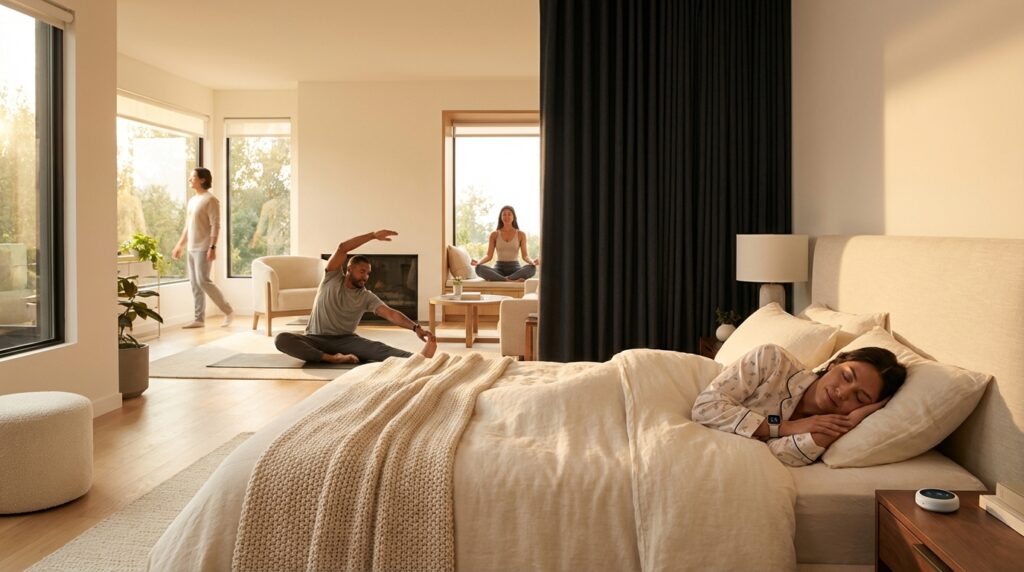
Slow living asks us to pause and savor the small hours of each day, yet it doesn’t mean rejecting helpful tools. Smart Ring Technology can be a gentle companion in that practice, offering subtle data that supports presence rather than distraction. These near-weightless devices tuck into daily rhythms. They nudge breath awareness, illuminate sleep patterns, and translate biometric whispers into clear cues. When used mindfully, they become part of a deliberate life.
This article explores how wearable rings bridge ancient practices and modern sensing. We’ll look at how they support mindfulness exercises, improve sleep quality, and monitor breathing without demanding attention. Expect practical guidance, quiet design choices, and examples of integrating tech into slow routines. Rather than promising instant transformation, think of smart rings as scaffolding: small supports that let calm take root.
If you want to bring intention to your nights and days, read on to discover how focused data and slow living can coexist—and even strengthen one another.
What is Smart Ring Technology?
Smart Ring Technology packs sensors and software into a slim ring worn on the finger. These sensors measure heart rate, heart rate variability, skin temperature, SpO2, and movement. Algorithms translate raw signals into readable metrics. The device runs passively, collecting data around the clock. Design prioritizes discretion: no buzzing phone, just subtle vibrations and an app for deeper reflection. That low-interaction model keeps attention on life, not on constant alerts.
Smart Ring Technology: Quiet Companion for Slow Living, Mindfulness, Sleep, and Breathing
Used with intention, a smart ring becomes a gentle companion. It offers gentle nudges when breathing grows shallow, or when stress markers rise. Instead of demanding immediate fixes, it hands you small invitations: a breathing exercise, a reminder to pause, or a bedtime cue. For slow living, that means fewer intrusive notifications and more measured feedback.
For mindfulness, rings translate bodily signals into actionable insight. Seeing a trend in heart rate variability helps you choose a mindful breath or a brief grounding practice. For sleep, rings map sleep stages, detect disturbances, and spotlight habits that fragment rest. Breathing monitoring picks up respiratory rate and oxygen variability. That data can reveal patterns tied to anxiety, midday fatigue, or nocturnal breathing interruptions.
Emotionally, smart rings feel like a calm observer. They make invisible rhythms legible. When paired with simple rituals, they deepen presence, restore nightly rest, and make breath-based practices more precise and compassionate.

| Feature | Oura Ring 5 (key details) | Other popular smart rings (typical) |
|---|---|---|
| Health tracking | Continuous HR, HRV trends, detailed workout metrics, Health Radar and sleep disturbance alerts | Basic to advanced heart-rate and activity tracking; feature sets vary by brand |
| Sleep monitoring | Sleep stage mapping, disturbance detection, nightly sleep score | Most rings offer sleep stage estimates and sleep scores; accuracy varies |
| Biometric sensors | Optical HR, SpO2, skin temperature sensors; sensor bumps for improved contact | Common sensors: optical HR and movement; SpO2 and temp less consistent |
| Fitness metrics | Detailed workout metrics and recovery insights | Basic activity, step and calorie estimates; fewer rings offer advanced workout analytics |
| Design & sizing | 6 mm width (thinnest on market), sizes 6–13, updated sizing and charging case | Varying widths and sizes; some prioritize slimmer profiles, others heavier sensor packs |
| Pricing | $399 (black/silver), $499 (other colors) | Range broadly: less expensive basic rings to premium models in similar price bands |
| Partnerships & integrations | Includes partnership features (e.g., reported Resmed-related capabilities); Health Radar integrations | Some offer third-party app support; clinical partnerships are rarer |
| Interaction model | Low-interaction, subtle haptics and app-driven insights | Mix of on-device alerts and app notifications; many prioritize minimal disruption |
Benefits of Smart Ring Technology for Slow Living
Smart rings translate hidden body signals into quiet invitations. Wearable feedback supports deliberate pacing, not urgency. Subtle haptics and nightly summaries guide actions like slowing breath, choosing rest, or shortening a workout. Detailed workout metrics help you exercise with intention, not excess. Health Radar and sleep disturbance notifications point out gentle course corrections before small problems grow.
Emotionally, rings help you sense patterns. When stress spikes, a prompt to breathe can feel like a companion saying, “We are both feeling this together, aren’t we?” Small daily nudges build rituals: a shorter sunrise walk, a mindful pause, stricter sleep windows. These shifts accumulate into a steadier rhythm and deeper presence.
Practically, rings reduce decision friction. Instead of guessing if today needs a lighter session, you open an app and see recovery signals. That clarity supports slow living: fewer impulsive choices, more aligned ones. The ring becomes scaffolding for ritual, not a replacement.
Evidence from the Oura Ring 5 launch
Real-world product developments show the same direction. Oura announced its fifth generation and began shipping June 4. The Oura Ring 5’s narrow 6 mm profile and sizes ranging from 6 to 13 prioritize comfort and fit. Updated sensor bumps and a refreshed charging case improve reliable wear and battery routines. Features such as detailed workout metrics, Health Radar, and sleeping disturbance notifications make actionable insights practical.
Pricing tiers ($399 for black and silver; $499 for other colors) position this model in the premium wellness market. For people committed to slow living, that choice signals that unobtrusive, accurate sensing is now mainstream.
A final note: small technology, used with intention, can deepen presence and help you love life more than just its meaning. Yes, certainly.
Conclusion
Smart ring technology can be a quiet ally for people choosing slow living. By translating subtle physiology into gentle prompts, these devices support mindful breathing, steadier routines, and deeper rest. They do not replace stillness; they make presence easier to practice. Integrating a smart ring into daily rituals helps you decide when to move, when to breathe, and when to step back—turning small data into meaningful action.
LeisureQuest exists to inspire curiosity, play, and lifelong learning. We believe technology should amplify wonder, not interrupt it. Visit LeisureQuest to find gear and guidance that turn free hours into an engaging quest. Start small: pair a nightly ritual with your ring’s sleep cues, or use a breathing prompt as a pause before an important task. Over time, these tiny habits lead to calmer days and richer downtime.
If slow living is an ongoing practice, smart rings are practical companions. Use them kindly, keep rituals simple, and let measured insight help you love life more than its meaning.
Frequently Asked Questions (FAQs)
What is Smart Ring Technology and how is it different from other wearables?
Smart Ring Technology condenses sensors into a low-profile ring that passively collects physiological data. Unlike many wrist wearables, rings prioritize discreet, around-the-clock sensing with minimal interaction. They trade frequent distractions for subtle haptics and app-driven insight, making them well suited to mindful, slow-living lifestyles.
How can a smart ring support slow living and mindfulness?
A smart ring converts bodily signals into gentle prompts—breathing nudges, recovery suggestions, and sleep cues—so you can choose calm actions with less guesswork. Use the feedback as invitations to pause rather than tasks to complete, integrating small rituals around the data.
What health metrics do smart rings commonly track?
Most smart rings monitor heart rate, heart rate variability (HRV), movement, sleep stages, and sometimes skin temperature and SpO2. Some models also estimate respiratory rate and detect night disturbances. Metrics vary by brand and sensor array.
Are smart rings reliable for sleep and breathing monitoring?
Smart rings are valuable for trend detection and personal insights but are not a substitute for clinical diagnostics. They reliably show patterns—poor sleep nights or breathing irregularities—but consult a healthcare professional for medical concerns or diagnosis.
How do I start using a smart ring in my wellness routine?
Start small: pair nightly sleep cues with a consistent wind-down, accept one breathing prompt per day as a pause, and review weekly trends rather than daily scores. Treat the ring as scaffolding for habits that deepen presence over time.